
🧠 Introduction
What is tempura?
Golden, delicate, and incredibly light—
Tempura is one of Japan’s most iconic dishes.
But here’s something many visitors don’t expect:
👉 Tempura is not originally Japanese.
Its roots trace back to Europe, and over centuries, Japan transformed it into something uniquely its own.
🎯 Quick Answer
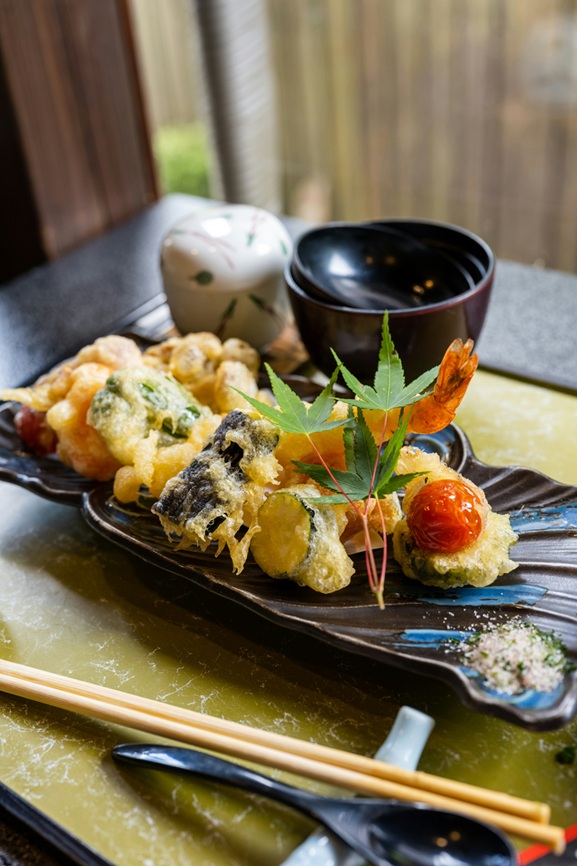
Tempura is a Japanese dish of lightly battered and deep-fried seafood and vegetables.
👉 It is known for:
- its light, crispy texture
- minimal oiliness
- simple ingredients
👉 While tempura feels traditionally Japanese,
👉 its cooking technique was introduced by Portuguese missionaries in the 16th century.
🧩 1. What Is Tempura? Origins and History Explained
Long before modern tempura existed, Japan already had simple fried foods.
👉 As early as 1,300 years ago,
👉 people used rice flour to coat and fry ingredients.
However, the modern style of tempura changed dramatically in the 1500s.
🇵🇹 The Portuguese Influence
Portuguese missionaries introduced a dish called
👉 Peixinhos da horta
This dish used:
- wheat flour batter
- deep frying techniques
👉 This was very different from traditional Japanese cooking at the time.
Through cultural exchange during the Nanban trade period,
👉 this method evolved into what we now know as tempura.
👉 Wagashi were also influenced by Europe :
Wagashi in Japan: The Edible Art of Seasons, History, and Culture (2026 Guide)
🧠 2. Why Is Tempura So Light Compared to Fried Food?
Many visitors are surprised:
👉 “Why isn’t it greasy?”
The answer lies in technique.
🔬 Key Differences from Western Fried Food
- batter is very thin
- cold water is used
- minimal mixing (to avoid gluten formation)
- quick frying at high temperature
👉 These techniques create a crisp texture without heaviness.
👉 It’s closer to a delicate coating than a thick crust.
🍤 3. What Goes Into Tempura?
Common ingredients include:
- shrimp (most popular)
- fish
- pumpkin
- eggplant
- sweet potato
👉 Tempura is often served with:
- tentsuyu (dipping sauce)
- or simply salt
👉 High-end restaurants may serve each piece individually for the best texture.
🍱 4. Tempura Today: From Street Food to Fine Dining
During the Edo period, tempura became popular as fast food in Tokyo.
👉 It was originally a quick, casual meal.
Today, tempura exists at multiple levels:
- affordable tempura bowls (tendon)
- casual restaurants
- high-end counter dining experiences
👉 In top restaurants, chefs carefully control:
- oil temperature
- timing
- ingredient moisture
👉 Tempura becomes a form of craftsmanship.
🧭 5. How to Enjoy Tempura in Japan
👉 For first-time visitors:
- eat immediately after it’s served
- try both salt and dipping sauce
- start with shrimp or vegetables
👉 If you visit a high-end restaurant:
- follow the chef’s order
- eat each piece right away
👉 Timing is everything.
💰 6.How Much Does Tempura Cost in Japan?
- budget: $6–$10 (USD)
- mid-range: $15–$40 (USD)
- high-end: $70+ (USD)
🇯🇵 Conclusion
Tempura may have started as a foreign technique,
👉 but Japan refined it into an art.
From its Portuguese roots to its modern elegance,
👉 tempura represents how Japan absorbs and transforms outside influences into something uniquely its own.
👉 In Japan, even fried food can feel… light.
🔥 Useful Guides for Your Japan Trip
👉What Is Kakuchi? Japan’s Hidden Standing Bar Culture Inside Liquor Stores (2026 Guide)
👉The Day Japan Eats Unagi: A Summer Tradition Explained (2026 Guide)
👉Why Do Japanese People Care So Much About Seasonal Foods? (2026 Guide)
👉Why Does Japanese Food Come With Rice, Soup, and Side Dishes? (2026 Guide)
👉Why Is Japanese Food Presentation So Beautiful? (2026 Guide)
👉Why Are Japanese Convenience Store Desserts So Popular? A Sweet Part of Everyday Life (2026 Guide)
👉What Is an Izakaya? Japan’s Casual Drinking & Food Culture Explained (2026 Guide)