

🧠 Introduction
If you land at Haneda or Narita at 3 AM and suddenly crave a steaming bowl of spicy ramen, a high-quality shirt for tomorrow’s meeting, or a slice of premium strawberry shortcake—
👉 you don’t have to wait.
In Japan, the konbini (convenience store) is always awake, glowing like a welcoming spaceship on nearly every street corner.
“In Japan, convenience is not just about availability—it is about reliability.”
But in 2026, this iconic 24-hour culture is quietly evolving.
🎯 Quick Answer
Japanese convenience stores are unique because they:
- operate (mostly) 24/7
- offer high-quality food and services
- function as part of everyday infrastructure
👉 And now, they are becoming smarter and more automated than ever.
🧩 1. More Than a Store: A Social Infrastructure
In Japan, a konbini is not just a place to buy snacks.
👉 It is part of the social system.
🚨 The “Safe Haven”
- Bright, always open
- Often designated as emergency support locations
👉 For many people, especially at night,
👉 konbini = a place of safety
🌏 Disaster Support
Japan faces frequent natural disasters.
👉 Konbini play a key role:
- rapid restocking
- providing essentials
- sharing information
👉 👉 They are community lifelines
👉Check this story too : Best Apps for Traveling in Japan (2026): 6 Essential Apps Every Tourist Needs
🤖 2. The 2026 Shift: Smarter, Leaner Stores
Japan faces a serious labor shortage.
👉 Maintaining 24/7 service is becoming harder.
📱 Hybrid & Autonomous Stores
Some stores now:
- operate normally during the day
- switch to low-staff or autonomous mode at night
👉 Entry via smartphone
👉 AI tracks purchases
🧑💻 Remote Staff
Instead of a cashier:
👉 You may see a screen with a remote staff member
👉 One person can assist multiple stores
👉 Convenience is no longer just physical—
👉 it is digitally supported
🍱 3. The Midnight Gourmet Experience
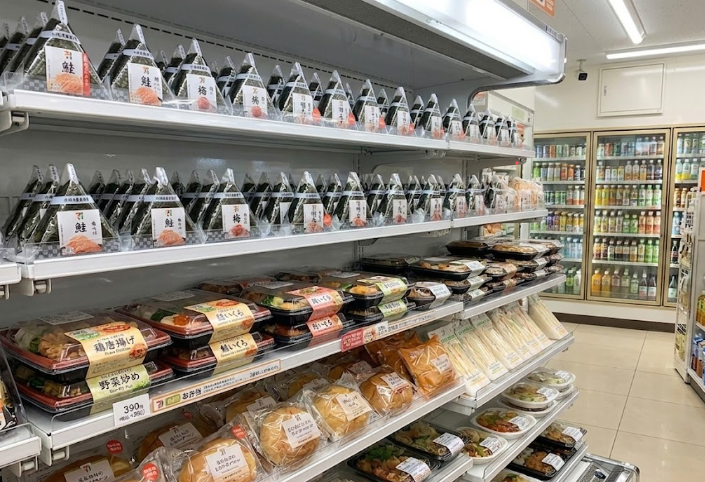
Why do people go at midnight?
👉 Because the quality is unexpectedly high.
🕒 Midnight Restocking
- Fresh bento and onigiri often arrive late at night
👉 You might find the freshest food at 2 AM
🌙 A Unique Atmosphere
- quiet
- perfectly organized
- calm
👉 Browsing a konbini at night feels almost… meditative
⚖️ 4. Is the 24-Hour Era Changing?
There is growing debate in Japan:
👉 Should everything stay open 24/7?
In rural areas:
- shorter hours are increasing
- focus on worker well-being
In major cities like Tokyo and Osaka:
👉 24-hour stores remain essential
👉 👉 It’s part of the urban lifestyle
🧭 5. How to Use a Konbini as a Traveler
- open anytime
- pay with cash, card, or IC card
- staff can heat food
- packaging is easy to carry
👉 👉 It’s one of the easiest systems for visitors
🧭 How to Use a Konbini
- Pay with cash, card, or IC card
- Ask staff to heat food
- Use ATM for international cards
🇯🇵 Conclusion
The Japanese konbini is more than convenience.
👉 It is a promise of reliability
No matter:
- how late it is
- how lost you feel
👉 there is always a place that is:
- bright
- stocked
- ready to help
👉 In Japan, convenience is not just about availability—
👉 it is about trust.
24-hour convenience stores in Japan
“If you arrive late at night in Japan, your first stop should be a konbini—it will solve more problems than you expect.”
🔥 Useful Guides for Your Japan Trip
・Why Is Japanese Convenience Store Food So Good? More Than Just Quick Snacks (2026 Guide)
・Ekiben in Japan: Why Bento on Trains Is Special (Where You Can Eat It)
・Best Apps for Traveling in Japan (2026): 6 Essential Apps Every Tourist Needs
・Haneda vs Narita: Which Airport Is Better for Tokyo Travel?