
🌏 Introduction
For many people around the world, summer vacation represents freedom.
It is the season of long breaks, travel, camps, sports programs, summer school, family trips, and the emotional feeling that one chapter has ended and another will begin later. In many countries, the academic year finishes around June or July, summer becomes the natural dividing line, and a completely new school year begins afterward.
That rhythm shapes childhood.
Summer feels like a reset button.
But in Japan, summer vacation feels very different.
At first glance, it may look similar. Japanese students also look forward to summer break. Schools close for several weeks, children enjoy festivals, families travel, and the intense heat of Japanese summer creates a strong seasonal atmosphere that almost everyone remembers.
But structurally, Japan’s school calendar changes everything.
The Japanese academic year runs from April to March, not from late summer to early summer like in many Western countries. That means summer vacation happens in the middle of the school year rather than at the end of it.
This one difference creates a surprisingly different emotional meaning.
Summer is not a clean ending.
It is not a total reset.
It is more like a pause.
And that affects how Japanese people experience childhood, seasons, and even emotional memories later in life.
I lived in North America and experienced summer there as well. Summer often meant a long period of possibility. Camps, activities, trips, and a sense that the normal rhythm of life had temporarily disappeared. Japan has some of that too—but not in quite the same way.
Because in Japan, summer is still connected to school.
🎯 Quick Answer
Summer vacation in Japan feels different because the school year runs from April to March, making summer break a pause in the middle of the academic year rather than the end of it. As a result, Japanese students often spend summer balancing rest, homework, club activities, and extra study, creating a very different rhythm from countries where summer marks a complete academic reset.
🌸 Why the School Year Starts in Spring
To understand Japanese summer vacation, it helps to begin with spring.
In Japan, the school year starts in April. New students enter school, children move into new grades, teachers change, classes are reorganized, and an entirely new chapter begins.
This timing matters because April in Japan is also cherry blossom season.
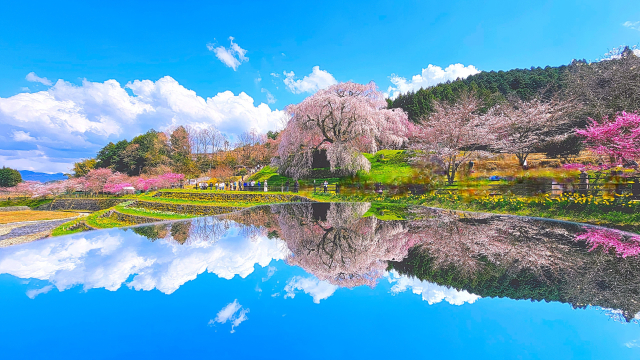
That connection is deeply emotional.
Cherry blossoms are not simply flowers in Japan. They are tied to ideas of beginnings, transitions, possibility, and fleeting moments. For many Japanese people, the sight of cherry blossoms immediately evokes memories of entrance ceremonies, new classrooms, nervous introductions, and the emotional energy of starting over.
Even as adults, many people still feel this association.
When cherry blossoms bloom, it feels like something new is beginning.
That emotional link exists partly because of the school calendar.
In countries where school begins in late summer or autumn, the emotional seasonal connection is completely different.
Japan teaches children, from an early age, to associate spring with new beginnings.
That shapes cultural memory.
☀️ Summer Is Not the End of the School Year
This is where many international readers may be surprised.
Because in many countries, summer arrives after everything has finished. Exams are done. Grades are complete. One school year ends, and the next begins later.
Summer becomes freedom.
Japan works differently.
By the time summer vacation begins, usually in late July, students are only partway through the academic year they started in April.
That changes the emotional meaning of the break.
Instead of feeling like closure, summer often feels temporary.
School is not over.
Your classmates are still your classmates.
Your academic year is still continuing.
And perhaps most importantly, school responsibilities do not completely disappear.
For many students, summer vacation is not simply rest.
It is school—just differently.
📚 Yes, Japanese Summer Homework Is Real
One of the most surprising parts of Japanese summer for outsiders is the homework.
Yes, children actually receive significant homework over summer vacation.
This is not usually just a small optional assignment.
Depending on age and school, students may receive reading assignments, math worksheets, science workbooks, kanji practice, essays, observation journals, or larger projects.
For many Japanese adults, certain summer assignments remain surprisingly vivid memories.
The classic reading response essay is one example. Students read a book during summer vacation and write about it. Another famous tradition is independent research projects, where children investigate a topic, conduct simple experiments, build something, or present personal research.
For younger children, these assignments may feel manageable.
For older students, summer homework can feel substantial.
This creates a very different cultural image of summer.
The idea of children being entirely free for months simply does not match many Japanese experiences.
⚽ Summer Can Be Even Busier Than School
And homework is only part of the story.
Many Japanese students remain extremely busy during summer vacation.
Students involved in sports clubs often continue training intensely through summer. Some schools organize training camps where students stay away from home and practice together for several days.
For serious student athletes, summer can be exhausting.
Academic students may face something similar.
Cram schools, known as juku, often run intensive summer programs. For students preparing for entrance exams, summer can become one of the most important study periods of the year.
So while summer vacation technically exists, the reality may not always resemble relaxation.
Of course, this varies from child to child.
Some families travel. Some children spend time with grandparents. Some enjoy festivals, fireworks, beaches, and ordinary summer fun.
But the image of endless carefree summer freedom is not universally accurate.
🌻 Summer Still Creates Powerful Childhood Memories
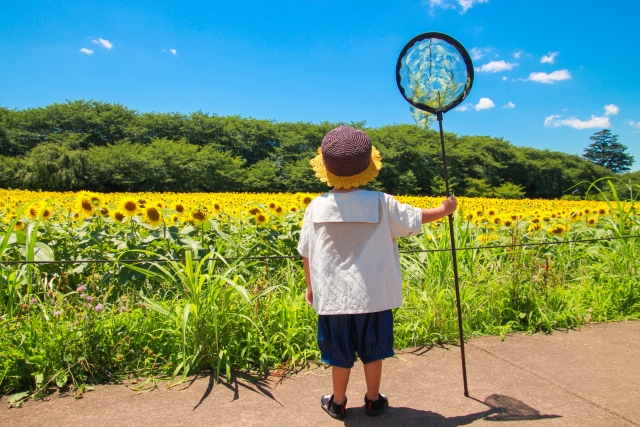
And yet, despite all of this, Japanese summer remains deeply nostalgic.
That may seem contradictory.
How can a season full of homework, heat, and obligations still feel magical?
Because childhood memory is rarely logical.
Japanese summer is emotionally rich.
Cicadas fill the air with unmistakable sound. Summer festivals light up neighborhoods. Fireworks become shared memories. Cold drinks taste different in extreme heat. Family trips feel special precisely because time is limited.
The season feels intense.
And intensity creates memory.
That is why many Japanese adults remember summer not simply as exhausting, but emotionally vivid.
❄️ Why Graduation Feels Different in Japan
The school calendar also shapes another emotional contrast.
If spring means beginnings, then late winter often means endings.
Japanese graduation ceremonies usually happen in March.
That means farewells happen during colder weather, just before spring arrives.
This creates a completely different emotional seasonal rhythm from countries where graduation happens near summer.
In Japan, cold air, the final school days of March, graduation songs, and emotional goodbyes become connected in memory.
For many people, winter is not just cold.
It carries the feeling of endings.
This is one reason the Japanese emotional relationship with seasons can feel different from countries with different academic calendars.
School life quietly teaches seasonal meaning.
🌏 Why This Helps You Understand Japan
This may seem like a small structural detail.
A school calendar.
But calendars shape emotional life more than we often realize.
They determine when beginnings happen, when endings happen, when families travel, when stress builds, and when certain memories form.
Because Japanese school begins in spring, cherry blossoms become symbols of beginnings.
Because graduation happens in late winter, cold weather can carry emotional associations with farewells.
Because summer arrives in the middle of the academic year, it feels less like total freedom and more like an intense seasonal pause.
This is not necessarily better or worse than other systems.
It is simply different.
But those differences help explain how culture quietly shapes memory.
🇯🇵 Conclusion
Summer vacation in Japan may sound familiar at first.
Children get time off. Families travel. Festivals happen. Summer memories are made.
But the emotional structure is different.
Because Japan’s school year runs from April to March, summer is not the ending of one chapter and the beginning of another.
It is a pause in the middle.
That one difference changes how childhood feels.
It changes the meaning of cherry blossoms, graduation, homework, and even the emotional rhythm of the seasons themselves.
Sometimes understanding a culture starts with something surprisingly simple.
Even a school calendar.
What was summer vacation like in your country? Total freedom, summer camp, extra study, or something completely different? I’d love to hear.
🔗Discover More About Japanese School Culture
・Why Is Japanese Sports Day Such a Powerful Childhood Memory? Understanding Undokai (2026 Guide)
・What Is a Japanese School Trip? Why Shūgaku Ryokō Becomes a Lifetime Memory (2026 Guide)
・What Is Japanese School Lunch? Why Kyushoku Is More Than Just Food (2026 Guide)
・Why Do Japanese Students Spend So Much Time in School Clubs?
・Why Do Japanese Students Clean Their Own Classrooms? The Lesson Behind School Cleaning Time
・Why Do Japanese Schools Have Entrance Ceremonies? (2026 Guide)
・Why Do Japanese Schools Have Swimming Classes? (2026 Guide)
・Why Do Japanese Children Walk to School by Themselves? (2026 Guide)
・School Uniforms in Japan: More Than Just a Dress Code (2026 Guide)
🔗Explore more of Japan
・Why Are Hydrangeas So Popular in Japan? The Meaning of Early Summer Flowers (2026 Guide)
・Why Does Summer Feel So Special in Japan? Festivals, Fireworks, and Bon Odori (2026 Guide)