
🌏 Introduction
If you visit a shrine in Japan during late June, you may notice something unusual standing near the entrance. A large ring made from woven grass suddenly appears, and people quietly line up to walk through it. To first-time visitors, it can look mysterious. Some wonder whether it is part of a festival. Others assume it is a decoration or perhaps a religious symbol reserved for special occasions.
In reality, it is neither a decoration nor a tourist attraction. It is part of a tradition that has existed in Japan for more than a thousand years.
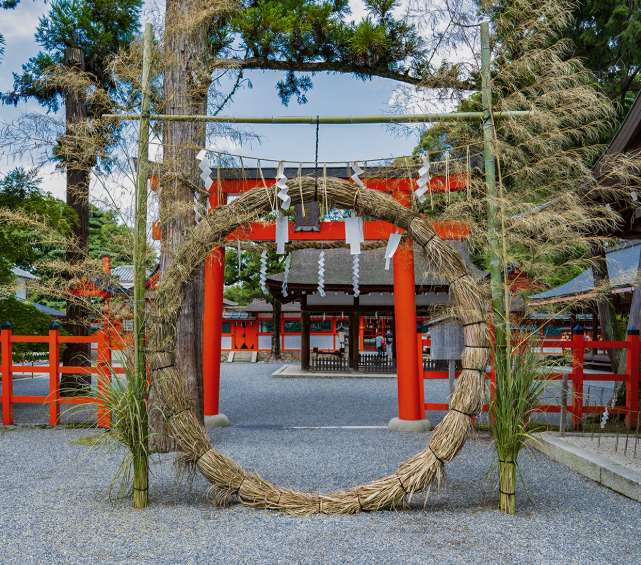
Every year around June 30, shrines across Japan hold a ritual known as Nagoshi no Harae, often translated as the Great Purification of Summer. The large grass ring, called a Chinowa, plays a central role in this tradition. People walk through the ring while reflecting on the first half of the year and wishing for good health and protection during the months ahead.
When I was a child, I did not think much about these giant grass rings. They simply appeared at local shrines every June, just as naturally as cherry blossoms appeared in spring or autumn leaves appeared later in the year. They were part of the seasonal landscape. Only as I grew older did I begin to understand that this tradition represented something much deeper than a simple shrine ritual.
In many ways, the Chinowa functions like a symbolic reset button. It does not promise miracles, and most people do not literally believe it will magically solve their problems. Instead, it offers a moment to pause, reflect, and start fresh. That may be one reason this tradition has survived for more than a millennium.
🌿 The Halfway Point of the Year
One reason Nagoshi no Harae feels unique is that it takes place at a very specific moment.
June marks the halfway point of the year.
By late June, people have already experienced six months of successes, failures, worries, stress, and unexpected events. New Year’s resolutions may already have been forgotten. Plans may not have gone exactly as expected. Daily responsibilities can slowly accumulate without us even noticing.
The ritual acknowledges something deeply human.
Everyone carries small burdens.
Everyone makes mistakes.
Everyone accumulates stress.
Rather than waiting until the end of the year to reflect, Nagoshi no Harae creates a moment in the middle of the year to stop and reset.
This idea may sound surprisingly modern, but the tradition itself dates back more than one thousand years. Long before wellness trends, digital detoxes, and self-improvement programs became popular, people in Japan were already setting aside a moment to symbolically leave behind negativity and begin again.
⛩️ Walking Through the Giant Grass Ring
The most recognizable part of the ritual is walking through the Chinowa.
The ring is usually made from reeds or similar grasses and can be large enough for adults to walk through comfortably. Depending on the shrine, visitors may follow a specific pattern while passing through the ring. The exact method varies, but the purpose remains similar: to symbolically remove impurities and welcome good health for the rest of the year.
To outsiders, this can look almost like walking through a magical gateway.
In a sense, that interpretation is not entirely wrong.
The ring serves as a symbolic threshold between the first half of the year and the second. After passing through it, participants are encouraged to move forward with a renewed sense of purpose and gratitude.
What I find interesting is that many participants are not necessarily thinking about religion in a strict sense. Some visit because it is a family tradition. Others enjoy seasonal customs. Some simply appreciate the opportunity to pause and reflect.
In modern Japan, the ritual often functions as much as a cultural tradition as a religious one.
🌏 A Tradition That Reflects a Universal Human Desire
One reason I think Nagoshi no Harae remains relevant today is that its core idea is not uniquely Japanese.
People everywhere seek opportunities for renewal.
Around the world, different cultures have developed traditions centered on cleansing, reflection, forgiveness, or fresh beginnings. Some people make New Year’s resolutions. Others participate in spring cleaning rituals. Some cultures observe fasting periods or religious holidays designed to encourage reflection and self-improvement.
The details differ, but the desire is remarkably similar.
Human beings like the idea of starting over.
We like the feeling that mistakes from the past do not have to define the future.
We appreciate moments that encourage us to pause and reassess our lives.
Nagoshi no Harae expresses that universal desire through a uniquely Japanese seasonal tradition.
🍵 The Sweet Tradition of Minazuki
The tradition does not end at the shrine.
Food also plays a role.
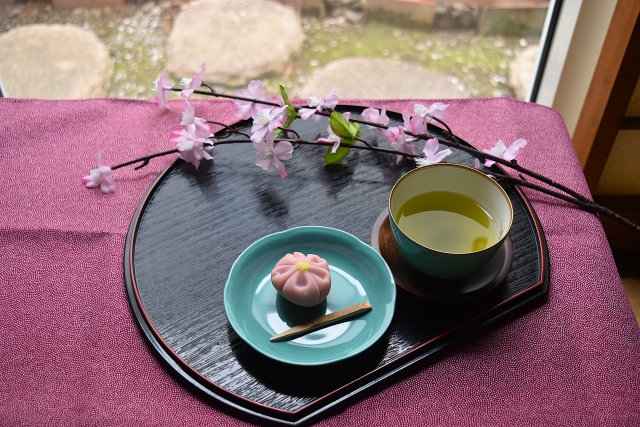
Around the end of June, many people eat a traditional Japanese sweet called Minazuki. At first glance, it may seem like a simple dessert, but it carries centuries of history and symbolism.
Minazuki is usually made from sweet rice flour and topped with red beans. Its distinctive triangular shape is said to represent ice. Historically, ice was considered a luxury available only to the wealthy during Japan’s hot summers. Creating a sweet that symbolized ice became a way for ordinary people to wish for relief from the summer heat.
The red beans have symbolic meaning as well. Traditionally, they were believed to help ward off bad luck and misfortune.
Whether people believe these ideas literally today is less important than what the custom represents. Eating Minazuki has become another way of marking the halfway point of the year and looking ahead to the months to come.
I have always found this aspect of Japanese culture fascinating. Rather than separating traditions into strictly religious or secular categories, Japan often blends seasonal customs, food, community, and everyday life together. A simple sweet can become a reminder of a much larger cultural story.
🌦️ Why the Timing Matters
The timing of Nagoshi no Harae is also significant because it occurs just before Japan enters the heart of summer.
Late June is typically associated with the rainy season. The weather can feel humid, cloudy, and heavy. Yet there is also a sense of anticipation in the air. Summer festivals are approaching. School vacations are getting closer. Fireworks displays will soon begin.
The Chinowa appears during this transitional period.
It marks not only the halfway point of the calendar year but also the shift from one season to another.
Perhaps that is why the ritual feels so natural within the Japanese seasonal calendar. It arrives at exactly the moment when people are already sensing change.
🌸 More Than a Religious Ritual
One mistake visitors sometimes make is assuming that every shrine tradition is primarily about religious belief.
For many Japanese people, traditions such as Nagoshi no Harae are woven into cultural life in a broader sense.
Someone may walk through a Chinowa because their grandparents did it.
A family may visit a shrine because they enjoy seasonal customs.
Children may participate simply because it is part of summer.
The ritual survives not because everyone interprets it in exactly the same way but because it continues to offer meaning to different people for different reasons.
Some see it as spiritual purification.
Some see it as cultural heritage.
Others see it as an opportunity to reflect on their lives.
All of those interpretations can coexist.
🇯🇵 Conclusion
Why do Japanese people walk through giant grass rings in June?
The answer lies in a tradition known as Nagoshi no Harae, a centuries-old ritual that marks the halfway point of the year. By walking through a Chinowa, participants symbolically leave behind the worries and difficulties of the past six months while welcoming health, good fortune, and a fresh start for the months ahead.
What makes the tradition remarkable is not its age, although surviving for more than a thousand years is certainly impressive. What makes it remarkable is that its message remains relevant today. Everyone occasionally needs a moment to pause, reflect, and begin again.
The giant grass ring may not possess magical powers, but it represents something many people around the world understand instinctively: the desire to leave behind what weighs us down and step forward with renewed hope.
Perhaps that is why, after more than a thousand years, people across Japan still line up every June to walk through a simple ring of woven grass.
🌏 Explore More Japanese Seasonal Traditions
If you enjoyed learning about Nagoshi no Harae and the giant grass rings of June, you may also enjoy these articles exploring the seasonal customs, values, and traditions that continue to shape everyday life in Japan.
👉 Why Is the Summer Solstice So Quiet in Japan? (2026 Guide)
👉 Why Do Japanese People Express Gratitude Before Every Meal? (2026 Guide)
👉 Why Do Japanese People Carry Handkerchiefs Everywhere? (2026 Guide)
👉 Why Do Japanese People Bathe at Night Instead of the Morning? (2026 Guide)
👉 Why Are Lost Items Returned in Japan? The Culture of Honesty Explained (2026 Guide)