
🍙 Introduction
At first glance, onigiri may look simple.
Just rice, shaped by hand, sometimes wrapped in seaweed, with something inside.
Compared with elaborate dishes like sushi or ramen, it may even seem ordinary.
But in Japan, onigiri is much more than a simple snack.
For many people, it carries memories.
I still remember mine.
Every Sunday, when I played baseball as a child, my mother made onigiri for me to bring to the team.
She rarely made the same filling every time.
Sometimes it was classic fillings like pickled plum (umeboshi) or kelp (kombu).
Other times, she became creative—fried chicken, egg, salmon, or other fillings that felt more like a meal than a snack.
She probably did that so I would not get bored.
At the time, I simply ate them.
But now, when I occasionally buy an onigiri from a convenience store, those memories suddenly return.
I think every culture has foods connected to memory.
But for many people in Japan, onigiri is one of those foods.
So why does something so simple feel so meaningful?
🎯 Quick Answer
Onigiri is special in Japan because it is more than food.
Onigiri has existed in Japan for centuries, originally as a practical portable meal for travelers and workers.
It can represent:
- home
- convenience
- childhood memories
- travel
- comfort
Its simplicity is part of its strength.
🍚 1. What Exactly Is Onigiri?
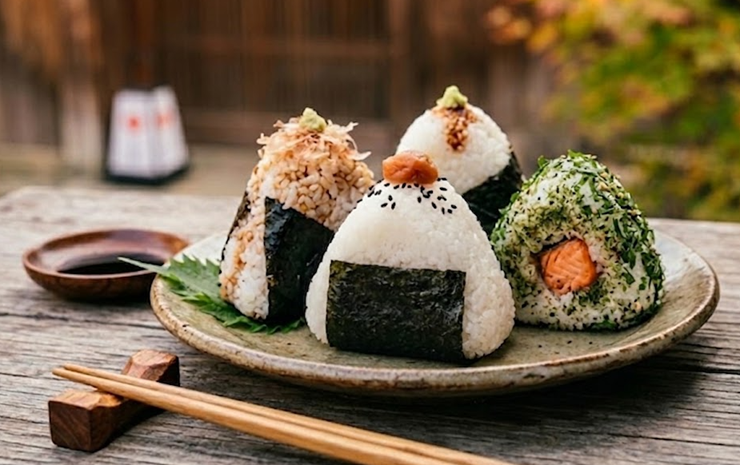
Onigiri is a rice ball, usually shaped into a triangle, oval, or cylinder.
It is typically made with:
- cooked Japanese rice
- salt
- fillings such as salmon, tuna mayo, plum, or kelp
- seaweed (nori) in many versions
Despite the simplicity, there is enormous variety.
Modern convenience stores sell dozens of options.
Homemade versions vary even more.
Some are traditional.
Some are creative.
That flexibility is one reason onigiri remains so popular.
🏡 2. A Taste of Home
For many people, onigiri is strongly connected to family life.
Unlike restaurant dishes, onigiri is often homemade.
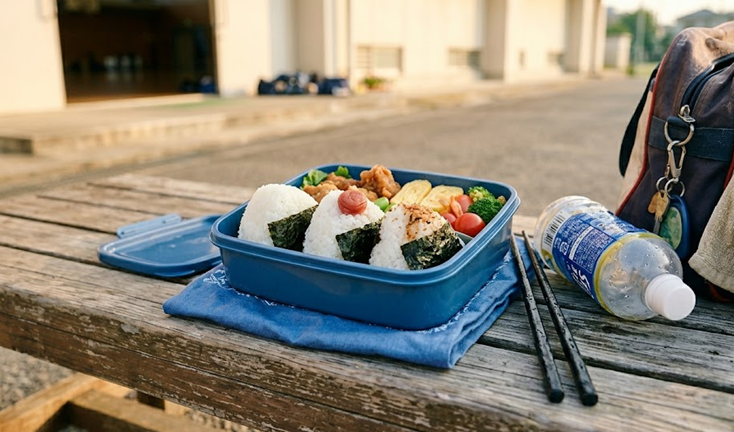
Parents make them for:
- school lunches
- sports practice
- day trips
- family outings
Because each household makes them differently, onigiri often carries personal memories.
Some families use specific fillings.
Others shape them differently.
Some wrap them carefully.
Others make quick, practical versions.
That individuality makes them feel personal.
For many Japanese people, onigiri is not just food—it can feel like care made edible.
⚾ 3. A Practical Food for Everyday Life
Part of onigiri’s success is practicality.
It is:
- portable
- easy to eat
- filling
- inexpensive
This made it ideal long before convenience stores existed.
Children could carry it.
Workers could take it.
Travelers could eat it on the move.
Athletes could use it for quick energy.
That practicality helped it become part of everyday life.
🏪 4. From Homemade to Convenience Stores
Today, many people experience onigiri through convenience stores.
And surprisingly, convenience store onigiri in Japan is genuinely good.
Fresh rice.
Carefully designed packaging.
Wide filling choices.
Affordable pricing.
This transformed onigiri from purely homemade food into a national everyday staple.
But interestingly, convenience store onigiri did not replace the emotional connection of homemade versions.
For many people, buying onigiri may still trigger childhood memories.
That combination of convenience and nostalgia is unusual.
🌏 5. Why It Feels Different from Sandwiches
Many cultures have portable comfort foods.
Sandwiches in some countries play a similar role.
But onigiri feels culturally distinct.
It is less about layering ingredients.
More about simplicity and balance.
Rice itself is central.
The filling is often a supporting element rather than the main focus.
This reflects a broader Japanese food aesthetic where simplicity can be valued rather than seen as lacking.
💭 6. Memory Food
Some foods are strongly tied to emotion.
Onigiri often belongs in that category.
The memory may not be about the rice itself.
It may be about:
- waking up early for a school trip
- lunch during sports practice
- family outings
- childhood routines
Food often becomes a container for memory.
Onigiri does that remarkably well.
🇯🇵 7. More Than a Rice Ball
To outsiders, onigiri may look ordinary.
But cultural meaning often hides in ordinary things.
That may be why onigiri remains loved across generations.
Not because it is luxurious.
Not because it is trendy.
But because it is familiar.
And sometimes, familiar food stays with us the longest.
🍙 Conclusion
Onigiri is one of Japan’s simplest foods.
But simplicity does not mean insignificance.
For many people, it represents home, practicality, childhood, and comfort all at once.
Even now, a convenience store onigiri can unexpectedly bring back memories of Sunday mornings, baseball practice, and a mother trying to think of a new filling.
Perhaps every culture has a food like that.
Is there a simple food from your childhood that still brings back memories today? It would be fascinating to hear what comfort foods people around the world remember most.
🔗Explore more of Japan
👉 What Is Kakuchi? Japan’s Hidden Standing Bar Culture Inside Liquor Stores (2026 Guide)
👉 The Day Japan Eats Unagi: A Summer Tradition Explained (2026 Guide)
👉 Why Do Japanese People Care So Much About Seasonal Foods? (2026 Guide)
👉 Why Does Japanese Food Come With Rice, Soup, and Side Dishes? (2026 Guide)
👉 Why Is Japanese Food Presentation So Beautiful? (2026 Guide)
👉 Why Are Japanese Convenience Store Desserts So Popular? A Sweet Part of Everyday Life (2026 Guide)
👉 What Is an Izakaya? Japan’s Casual Drinking & Food Culture Explained (2026 Guide)