
🌏 Introduction
Bathing is not unique to Japan.
Throughout history, many cultures have developed their own bathing traditions. Ancient Rome famously had public bathhouses where bathing was part of daily social life, and many societies around the world have treated bathing as more than simply washing the body.
Japan belongs to that broader story.
But the role bathing plays in everyday Japanese life often feels distinctive.
For many visitors, one of the first surprises is realizing that in Japan, bathing is not always treated as simply a practical hygiene task.
It can feel closer to a daily ritual.
Of course, bathing cleans the body.
But for many people, that is only part of the experience.
The deeper purpose often feels different: warming the body, relaxing the mind, creating a clear transition between the stress of the day and the comfort of home.
That emotional role matters.
In Japan, the typical routine is also different from what some international visitors may expect. People generally wash and rinse their bodies before entering the bathtub. The water in the tub is meant to remain clean because soaking—not washing—is the purpose of the bath itself.
That simple difference changes the meaning of the experience.
For me, this became especially clear when I lived overseas.
I found myself unexpectedly missing Japanese baths.
Not because I could not stay clean.
A shower can do that.
What I missed was the feeling of soaking in hot water and letting the entire body relax.
I missed the comfort of a deep bath at the end of the day.
I even missed practical things that many Japanese people barely think about, like automatic bath filling systems that announce when the water is ready, or reheating functions that let you warm the bath again later.
That sense of comfort is easy to take for granted until it disappears.
So why does bathing feel so important in Japan?
🎯 Quick Answer
Japanese bathing culture is not only about hygiene. For many people, bathing is also about relaxation, warming the body, creating emotional comfort, and marking the transition between the outside world and private home life.
This mindset connects modern daily routines with a much longer cultural history that includes hot spring traditions and communal bathing practices.
🛁 More Than Just Getting Clean
In many places, bathing is treated as a practical task.
You shower, get clean, and move on.
Efficient.
Functional.
Done.
Japan often approaches bathing differently.
A shower alone may clean the body perfectly well, but that does not necessarily replace the emotional role of soaking in hot water.
The bath becomes something slower.
Less about urgency.
More about recovery.
That shift in purpose changes the entire experience.
Instead of simply removing dirt, bathing becomes a way to reset.
After a stressful workday, a long commute, cold weather, or physical fatigue, entering hot water can feel like a physical and mental release.
That emotional relationship helps explain why baths remain important even in busy modern life.
♨️ A Long History of Bathing
Japan’s relationship with bathing is not new.
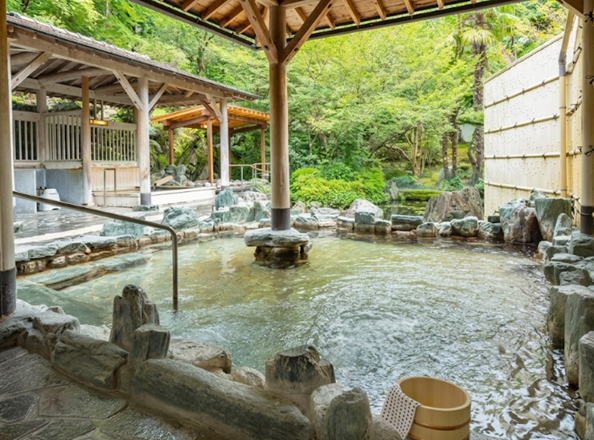
The country has a long history of hot spring culture, supported by its geography. Because Japan is volcanically active, natural hot springs appear throughout the country, and bathing in warm mineral water has been part of life for centuries.
Public bathhouses also played an important role historically, especially before modern home bathing became common.
This history matters because it helps explain why bathing in Japan developed as more than private cleaning.
Bathing could be communal, restorative, social, and seasonal.
Even today, that legacy remains visible through onsen culture and public baths.
Modern home bathing may be private, but the broader emotional relationship with bathing still feels connected to that history.
🚿 Why Washing Happens First
One detail often surprises visitors.
In Japan, people generally wash themselves before entering the bathtub.
For someone unfamiliar with the system, this can seem backwards.
But it makes perfect sense once you understand the purpose.
The bathtub is not primarily for cleaning.
It is for soaking.
Because of that, the water is expected to remain clean.
This also historically connected to shared household use, where multiple family members might use the same bathwater at different times.
That practical structure reinforced the idea that soaking and washing serve different purposes.
And even in homes where bathing is not shared in exactly the same way, the cultural habit remains.
🏠 The Technology of Everyday Comfort
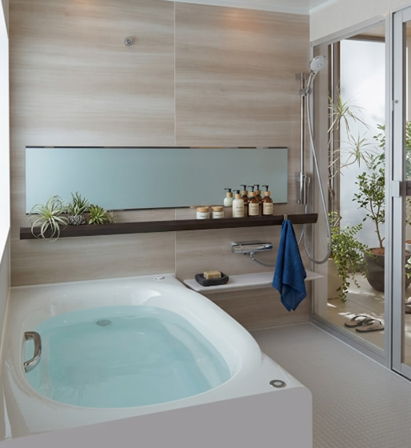
One fascinating modern detail is how much Japanese homes support bathing culture.
Many homes include systems that automatically fill the bathtub to a preset level. Some even announce out loud when the bath is ready.
Many Japanese baths also include reheating functions, allowing family members to enjoy a hot bath at different times without preparing fresh water again.
To outsiders, this may sound like a small convenience.
For many people in Japan, it feels completely normal.
And honestly, you do not fully appreciate it until you live without it.
When I lived abroad, I found myself missing these details far more than expected.
Not because they were luxuries, but because they supported a daily rhythm that felt emotionally familiar.
A shower alone never quite replaced that feeling.
🌞 Even in Summer?
This surprises some people.
Why would anyone want a hot bath in summer?
But many people in Japan still do.
That may sound counterintuitive, especially in humid weather.
Yet for those used to bathing culture, the appeal is not only about warmth in a literal sense.
It is about release.
Relaxation.
A physical reset.
The feeling of ending the day properly.
That emotional association can remain strong regardless of season.
For some people, summer bathing simply feels normal.
🌏 Is This Unique to Japan?
Not entirely.
Many cultures have strong bathing traditions.
Roman baths, Turkish baths, saunas in Nordic countries, and hot spring cultures elsewhere all show that humans across history have understood bathing as more than hygiene.
The interesting part is not the existence of bathing culture itself.
It is how bathing became integrated into ordinary modern home life in Japan.
That everyday normality feels distinctive.
Not because other cultures lack meaningful bathing traditions.
But because the bath remains such an ordinary emotional ritual in daily life.
💭 Why This Helps You Understand Japan
Understanding bathing culture reveals something broader about everyday life in Japan.
It shows how comfort, routine, and emotional transition can become embedded in practical daily habits.
Bathing is not presented as a dramatic cultural performance.
It is simply normal life.
And sometimes those quiet routines reveal more about a culture than famous landmarks ever could.
That is what makes this topic interesting.
🇯🇵 Conclusion
Japanese bathing culture is not really about being cleaner than anyone else.
A shower can clean the body perfectly well.
The deeper appeal is something else.
Comfort.
Warmth.
Recovery.
A pause between the outside world and private life.
For me, I did not fully understand how important that feeling was until I lived without it.
What I missed was not cleanliness.
It was the ritual.
The familiar comfort of soaking in hot water, even after an ordinary day.
And perhaps every culture has small daily rituals like that—things you barely notice until they disappear.
Is there a daily comfort ritual in your country that people miss deeply when living abroad? It would be fascinating to hear what ordinary habits feel like home around the world.
🔗Go deeper into Japan
・Why Does Silence Feel Comfortable in Japan? The Cultural Meaning Behind Quietness
・How to Survive Japan’s Rainy Season: Practical Tips for Everyday Life
・How to Visit a Japanese Shrine: Etiquette Guide for First-Time Visitors
・Children’s Day in Japan (May 5): Meaning, Traditions, and Why It Matters (2026 Guide)