
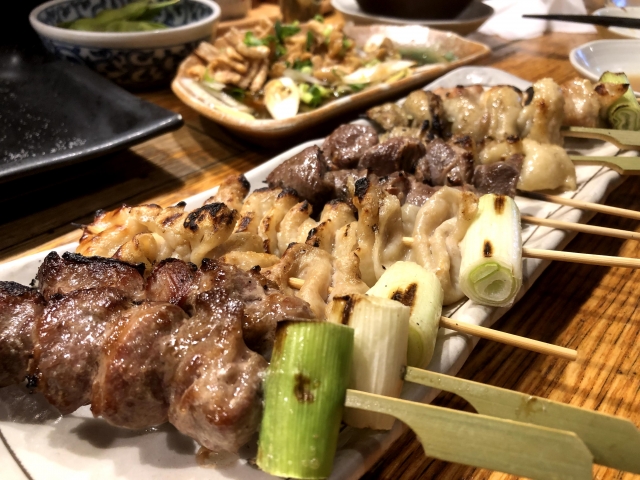
🌏 Introduction
Some foods attract you with their appearance. Others win you over with taste. Yakitori often gets you before either of those things happen.
Yakitori became especially popular as an affordable casual food in Japan’s postwar urban culture.
It starts with the smell.
If you have ever walked through a Japanese shopping street in the evening, you may know exactly what I mean. Somewhere nearby, smoke rises from a small grill. A warm charcoal aroma drifts through the air. Even if you were not hungry a moment earlier, suddenly you are.
That is what yakitori does to me.
I can be completely fine, walking home without thinking about food, and then I smell yakitori. Instantly, my stomach reacts.
Yakitori is not luxury food. It is not formal Japanese cuisine like kaiseki, and it is not something people usually save for special celebrations. Instead, it belongs to ordinary life.
You find it in neighborhood shopping streets, outside small local restaurants, at festivals, and in casual izakaya where coworkers gather after work. It is one of those foods that feels deeply familiar in Japan.
So why does something as simple as grilled chicken on a stick remain so loved?
🎯 Quick Answer
Yakitori is popular in Japan because it is simple, flavorful, affordable, and closely connected to everyday life.
It is the kind of food people enjoy casually rather than ceremonially. More than just something to eat, yakitori is part of the smell, atmosphere, and rhythm of ordinary Japanese evenings.
🍗 What Exactly Is Yakitori?
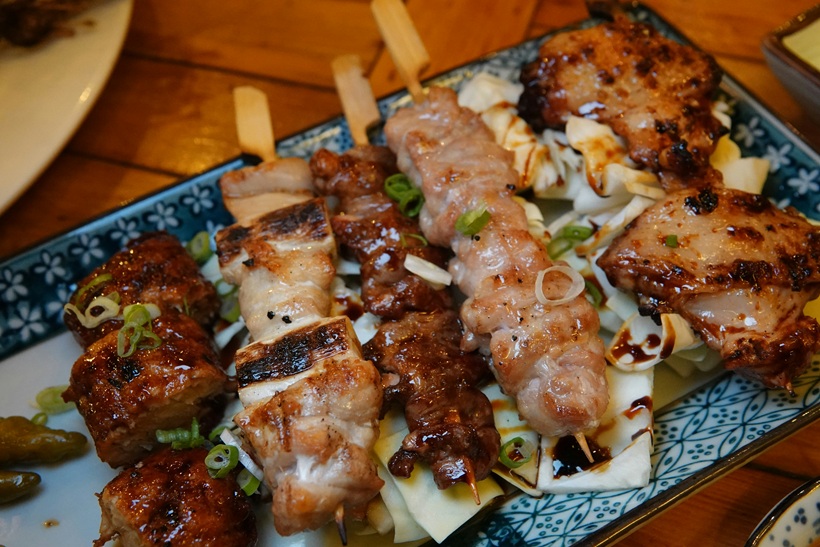
Yakitori literally means “grilled chicken,” but the experience is much richer than that simple translation suggests.
At its most basic, yakitori consists of bite-sized chicken pieces skewered on bamboo sticks and grilled, often over charcoal. However, there is much more variety than many first-time visitors expect.
Some skewers feature juicy chicken thigh meat. Others combine chicken with green onion. Some use chicken skin, wings, or minced chicken shaped into meatballs. Different shops have their own specialties, and many regular customers have strong opinions about their favorites.
Then there is the seasoning.
Some people prefer shio, the cleaner simplicity of salt seasoning that lets the flavor of the chicken stand out. Others love tare, the glossy sweet-savory sauce that gives yakitori its rich, familiar flavor.
Because the ingredients are simple, small differences matter. That simplicity is part of the appeal.
🔥 Why the Smell Matters So Much
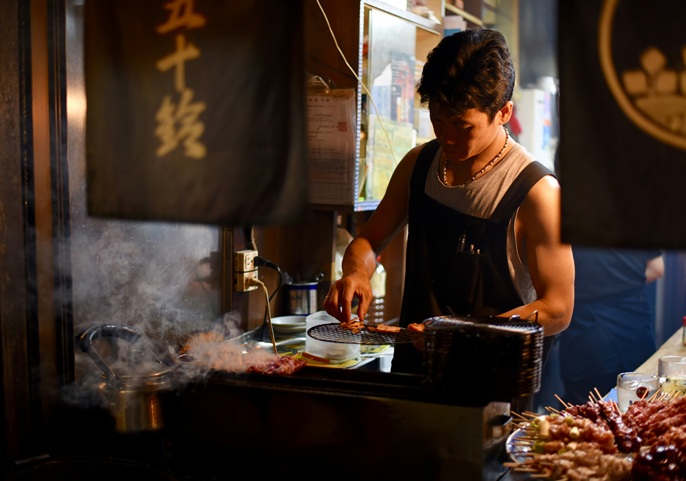
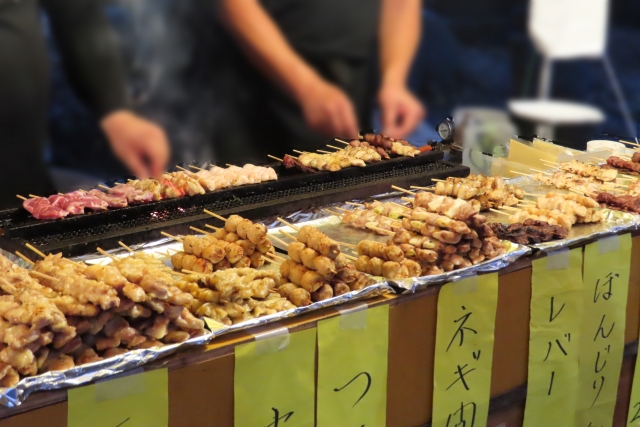
One of the most fascinating things about yakitori is that the experience begins before you take a single bite.
Smell is deeply connected to memory, and yakitori is a perfect example.
Unlike packaged food that stays invisible until opened, yakitori announces itself. The smoky scent of charcoal grilling moves through streets and immediately creates anticipation.
For many people, that smell becomes part of the emotional experience of the food itself.
For me, it instantly reminds me of ordinary evenings, shopping streets, and that familiar feeling of suddenly becoming hungry without warning.
Every culture probably has food like this—food where the smell alone tells a story.
Yakitori is one of those foods in Japan.
🏮 An Everyday Food, Not a Special Occasion Dish
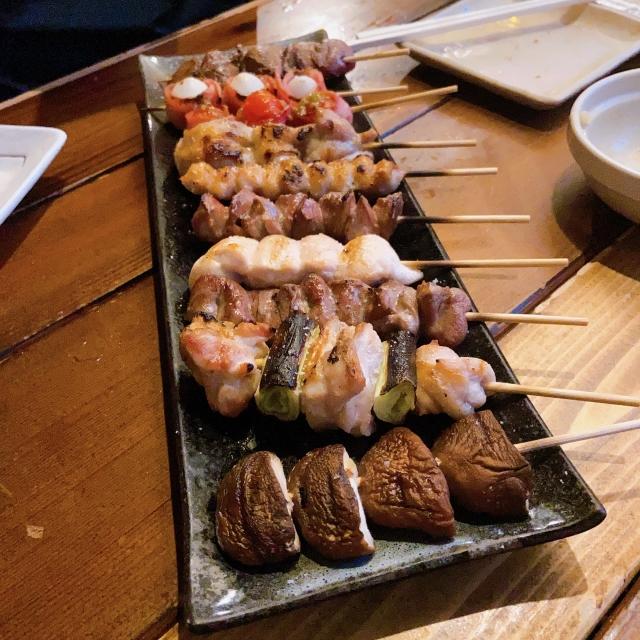
Some foods are associated with celebration. Yakitori usually is not.
That is exactly what makes it special.
Yakitori belongs to ordinary life. It is approachable, casual, and unpretentious.
People eat it after work with coworkers. Families bring some home for dinner. Festival visitors buy skewers while walking around. Someone passing through a neighborhood shopping street might stop simply because the smell was too tempting.
It does not require planning.
It does not require ceremony.
And because of that, it becomes deeply woven into everyday life.
Sometimes the foods that matter most are not the rare ones, but the familiar ones.
🍺 The Social Side of Yakitori
Yakitori is also naturally social.
Because it comes in small portions, it encourages sharing. A table might order several different skewers and try a little of everything. One person prefers chicken skin, another loves meatballs, another only wants salty grilled thigh meat.
The format makes conversation easy.
This is part of why yakitori feels so comfortable in casual social settings. It is not food that demands attention in silence. It fits naturally into relaxed conversation and shared evenings.
That social role matters just as much as the taste.
🏙️ Part of Japan’s Street Atmosphere
One interesting difference is where yakitori belongs in daily life.
Unlike foods such as onigiri, which many people associate with home, yakitori often feels like something that belongs outside.
Of course, some people cook chicken skewers at home, but for many, yakitori is something you buy rather than make.
Part of that is practical.
Yakitori’s appeal is closely tied to charcoal grilling, smoke, and that unmistakable aroma drifting through the air. That experience is difficult to recreate in an ordinary home kitchen.
Because of this, yakitori often feels connected not to the home, but to streets, local shops, festivals, and casual evenings out.
That gives it a very different emotional place from convenience store food or homemade comfort food.
Yakitori is not just something people eat. It is part of the atmosphere of many Japanese neighborhoods.
The sight of smoke rising from a small storefront grill. The glow of warm lights in the evening. The smell drifting through a shopping street.
These things create a sense of place.
Food shapes memory, but it also shapes how places feel.
For many people, yakitori is connected not only to flavor, but to a very specific image of everyday Japan.
That is part of why it feels so memorable.
🌏 A Universal Kind of Comfort
Of course, Japan is not the only country with beloved grilled street food.
Many cultures have casual foods connected to smell, comfort, and everyday routines.
That is what makes yakitori relatable.
Its role may be uniquely Japanese in detail, but the emotional experience is universal.
A simple food becomes meaningful not because it is expensive or impressive, but because it becomes part of ordinary life.
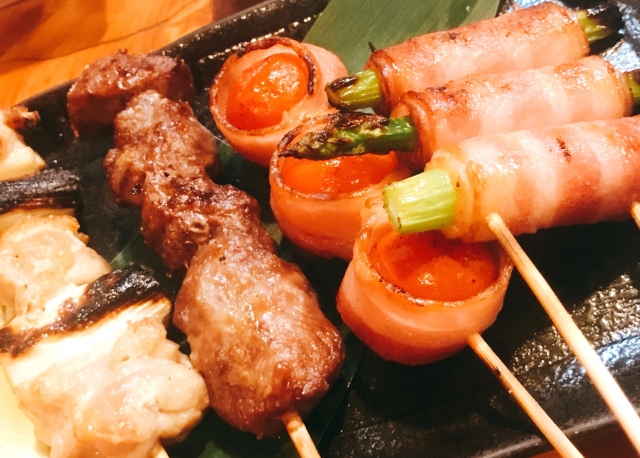
🇯🇵 Conclusion
Yakitori may look simple from the outside.
Just grilled chicken on a stick.
But simple foods often carry the strongest emotional meaning.
Yakitori is affordable, familiar, social, and deeply connected to everyday life in Japan. For me, it starts with the smell. That smoky aroma alone is enough to make me hungry and instantly brings back a feeling of ordinary Japanese evenings.
Maybe every culture has a food like that.
Is there a smell from your childhood or everyday life that instantly makes you hungry? It would be fascinating to hear what food memories people around the world share.
🔗Explore more of Japan
👉 What Is Kakuchi? Japan’s Hidden Standing Bar Culture Inside Liquor Stores (2026 Guide)
👉 The Day Japan Eats Unagi: A Summer Tradition Explained (2026 Guide)
👉 Why Do Japanese People Care So Much About Seasonal Foods? (2026 Guide)
👉 Why Does Japanese Food Come With Rice, Soup, and Side Dishes? (2026 Guide)
👉 Why Is Japanese Food Presentation So Beautiful? (2026 Guide)
👉 Why Are Japanese Convenience Store Desserts So Popular? A Sweet Part of Everyday Life (2026 Guide)
👉 What Is an Izakaya? Japan’s Casual Drinking & Food Culture Explained (2026 Guide)