
🧠 Introduction
If you visit Japan in early May, you may notice something unusual.
You might notice large fish flying in the sky.
Colorful fish-shaped flags flying in the sky.
These are called koinobori (carp streamers)—and they are part of one of Japan’s most meaningful holidays:
👉 Children’s Day (Kodomo no Hi), celebrated on May 5.
But this day is more than just decoration.
👉 It reflects how Japan views children, family, and growth.
🎯 Quick Answer
Children’s Day in Japan is a national holiday dedicated to:
- respecting children’s individuality
- celebrating their happiness
- expressing gratitude to mothers
👉 It is also traditionally a day to wish for the health and success of boys.
🧩 1. What Is Children’s Day?
Children’s Day is officially defined by Japanese law as:
👉 a day to respect children’s personalities, promote their happiness, and appreciate mothers
This makes it unique:
👉 It’s not just about children—
👉 it’s also about family values.
🏯 2. The Connection to “Tango no Sekku”
May 5 is also known as:
👉 Tango no Sekku (端午の節句)
This is a traditional festival that dates back over 1,000 years.
Historically:
- It was a day to pray for boys’ health and growth
- Girls’ Day is celebrated separately on March 3
👉 Over time, it evolved into a national holiday for all children.
🎏 3. Traditional Decorations and Symbols
🎏 Koinobori (Carp Streamers)
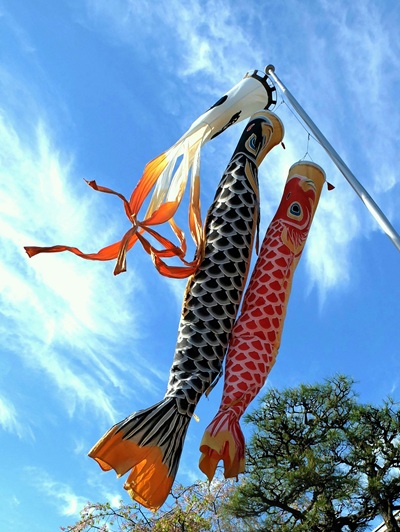
Carp are known for swimming upstream.
👉 They symbolize:
- strength
- perseverance
- success in life
👉 Each carp often represents a family member.
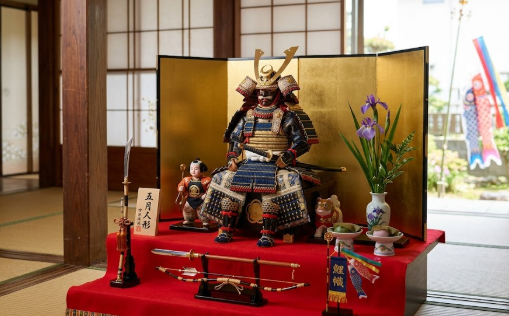
🏯 Samurai Armor and Helmets
Families display:
- armor (yoroi)
- helmets (kabuto)
- swords
👉 These represent:
- protection
- strength
- a wish for a strong future
These symbols reflect a deeper belief in Japan:
that growth comes from overcoming challenges, not avoiding them.
🧠 4. Why These Traditions Still Matter
At first glance, these customs may seem old-fashioned.
But they reflect something deeper about Japanese culture:
👉 a strong focus on growth through effort
👉 respect for family roles
👉 the importance of symbolism in daily life
👉 Even today:
- modern families continue these traditions
- children grow up seeing these symbols
👉 This creates a sense of continuity between past and present.
🌏 5. What Makes It Unique?
In many countries, children’s holidays are about fun or gifts.
In Japan:
👉 the focus is different
👉 it emphasizes:
- character
- resilience
- respect
👉 rather than just celebration
🧭 6. How to Experience It as a Traveler
If you are in Japan around May 5:
👉 Look for koinobori in:
- parks
- riversides
- residential areas
👉 Visit stores or homes displaying samurai decorations
👉 You’ll get a glimpse into a tradition that has lasted over a millennium.
🇯🇵 Conclusion
Children’s Day in Japan is not just a holiday—
👉 it is a reflection of how society values children and family.
From carp streamers to samurai armor:
👉 every symbol carries a meaning
👉 and every meaning connects to a deeper cultural philosophy.
If you visit Japan during Golden Week,
look for koinobori along rivers and neighborhoods—
it’s one of the most beautiful seasonal sights.
🔥 Useful Guides for Your Japan Trip
・Haneda vs Narita: Which Airport Is Better for Tokyo Travel?
・How to Get from Haneda & Narita Airport to Tokyo (Best Routes by Area)
・JR Pass vs IC Card: Which Is Better for Japan Travel?