
🌏 Introduction
Convenience stores exist in many countries. They are usually places people visit when they need something quickly—perhaps a drink, a snack, or something practical at an inconvenient time.
That is why the name makes sense.
Convenience.
But after spending time in different countries, I have always felt that convenience stores in Japan play a slightly different role, especially when it comes to food.
The biggest difference is not simply that Japanese convenience stores are clean or organized. It is the food.
The variety is striking.
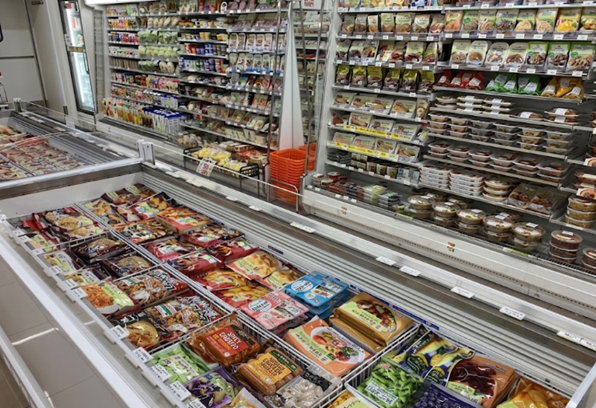
You can find rice balls, boxed meals, sandwiches, desserts, noodles, pasta, salads, and hot snacks waiting near the register. Depending on the season, there may be limited-time products or regional specialties as well.
And importantly, much of it is genuinely enjoyable.
That is what surprises many visitors.
Convenience store food in many places is often seen as emergency food—something you buy because nothing else is available.
In Japan, it often feels different.
For many people, convenience store food is not the backup plan.
It is simply part of everyday life.
I have spent time in many different countries, and while convenience stores exist around the world, the role food plays inside Japanese convenience stores still feels distinct to me.
One reason is simple: choice.
No matter what mood you are in, there is usually something that sounds appealing.
Something light.
Something filling.
Something sweet.
Something hot.
Something familiar.
That flexibility is one reason so many people rely on them.
And if you ask people in Japan, many will have surprisingly specific opinions about which convenience store does certain foods best.
That says a lot.
🎯 Quick Answer
Japanese convenience stores are known for surprisingly good food because they function as part of everyday life rather than simply emergency retail.
Their food is varied, accessible, relatively affordable, and available at almost any time of day. For many people, they are not just places to grab snacks, but practical food stops that genuinely support daily routines.
🏪 More Than Emergency Food
In some countries, convenience store food carries a certain reputation.
It is what you buy late at night when other places are closed.
It solves an immediate problem, but it is not necessarily something people actively look forward to.
Japan often feels different.
Convenience store food is woven into ordinary daily routines.
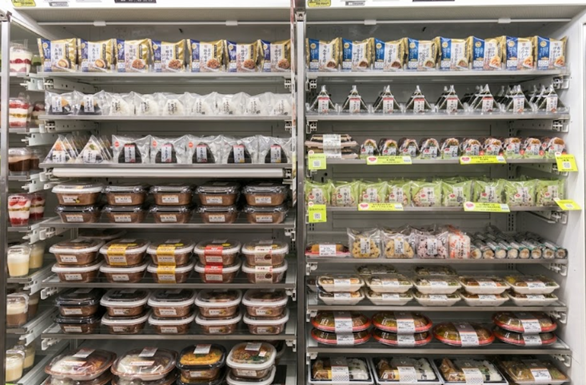
A busy office worker may buy breakfast before work. A student may grab lunch between activities. Someone heading home late may stop for dinner. A traveler may need something simple after arriving at a hotel.
The point is that convenience store food is not treated only as a last resort.
It has a much more normal role in everyday eating.
That shift in cultural role changes expectations.
And when expectations are higher, food quality tends to matter more.
🍙 The Variety Is Surprisingly Broad
One of the most immediately noticeable things is the range of food available.
The stereotype of convenience store food as chips and sugary snacks does not fully apply here.
Japanese convenience stores often offer full meal options, smaller quick meals, desserts, drinks, and hot foods all in the same small space.
You might choose an onigiri if you want something simple and familiar. A bento if you need a proper meal. A sandwich if you want something easy. A dessert if you just want something sweet after a long day.
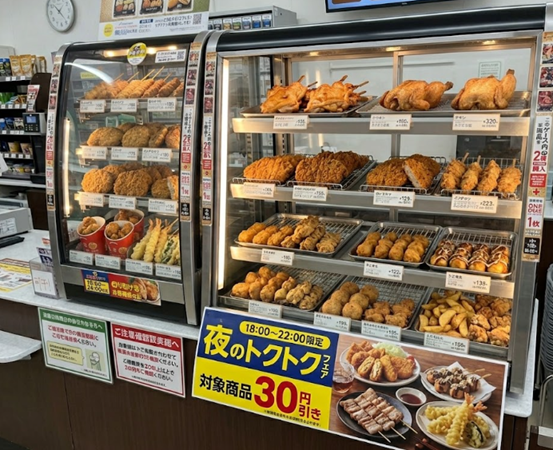
Then there are the hot snacks near the register—fried chicken, croquettes, and other small comfort foods that many people have strong loyalties toward.
This variety matters because hunger is rarely one single feeling.
Sometimes you want a full meal.
Sometimes just something small.
Japanese convenience stores understand that flexibility.
🌙 Food at Any Hour
Another major reason convenience store food matters is timing.
Many Japanese convenience stores operate 24 hours a day.
That changes their role significantly.
If supermarkets are closed, restaurants have finished serving, or you simply need something unexpectedly late, convenience stores remain available.
That reliability creates trust.
People know they can find something.
And because the food options are broad, that “something” does not feel like settling for the least bad option.
It often feels like a perfectly acceptable choice.
That is a subtle but important difference.
🍰 Even the Small Things Matter
One reason convenience stores in Japan stand out is that food quality is not limited only to large meals.
Even smaller categories receive attention.
Desserts are a good example.
People genuinely discuss convenience store sweets.
Not as jokes.
As real opinions.
The same is true for sandwiches, rice balls, seasonal drinks, and fried snacks.
This creates something interesting.
Food at convenience stores becomes part of ordinary conversation.
People compare favorites.
They have preferences.
They notice new seasonal releases.
That emotional engagement tells you these foods occupy a different cultural space than purely functional emergency snacks.
🌏 Why This Feels Different
This is not about declaring Japanese convenience stores objectively superior.
Different countries build different systems around daily life.
But the role convenience stores play in Japan often feels distinct because they function as a practical extension of ordinary food culture.
They are not simply convenience businesses that happen to sell food.
For many people, food is one of the main reasons they enter.
That distinction matters.
It changes how the entire space is designed and experienced.
💭 Everyone Has Favorites
One of the most charming parts of this topic is how specific people become.
Ask someone in Japan which convenience store food they prefer, and the answer may be surprisingly detailed.
Someone will insist one chain has the best fried chicken.
Another will defend a particular dessert.
Someone else will only buy a certain type of rice ball from one specific brand.
These are not just practical purchasing decisions.
They are personal food preferences.
That says a lot about how integrated convenience store food has become in daily life.
🌍 Not Unique, But Distinctive
Convenience stores exist almost everywhere.
Quick food exists everywhere too.
So the interesting question is not whether Japan invented convenient food.
It is how convenience food became so normalized, varied, and emotionally familiar in everyday life.
That combination feels culturally distinctive.
Not because one country does convenience “better” in some universal sense.
But because the role these stores play in ordinary life feels unusually broad.
🇯🇵 Conclusion
Japanese convenience stores may look ordinary from the outside.
But for many people, the food inside makes them something much more than practical retail spaces.
They are breakfast stops, lunch solutions, late-night rescues, dessert temptations, and part of everyday routines.
For me, what stands out most is not one specific item.
It is the simple fact that no matter what kind of hunger you have, there is usually something that sounds genuinely good.
That is why convenience store food in Japan feels memorable.
Not because it is luxurious.
But because it is dependable, varied, and unexpectedly enjoyable.
What is convenience store food like where you live? Is it something people genuinely enjoy, or mainly something people buy only when they have no other option?
🔗Explore more of Japan
・Japanese Convenience Stores (Konbini): Why They’re Open 24/7 and How They’re Changing in 2026
・Why Is Japanese Bento So Special? More Than Just a Packed Lunch (2026 Guide)
・Why Is Onigiri So Special in Japan? More Than Just a Rice Ball (2026 Guide)
・Essential Travel Tools for Japan: Everything You Need for a Smooth Trip (2026 Guide)