
🌏 Introduction
At first glance, a Japanese bento may seem simple.
Just a lunch box.
Rice, side dishes, perhaps some vegetables, maybe a piece of fried chicken or grilled fish.
Practical food prepared in advance.
But for many people in Japan, bento is much more than that.
It carries memory.
Care.
Routine.
Sometimes even emotion that is difficult to describe.
I still remember the bentos my mother made for me.
In Japan, many public elementary schools provide school lunches, so bringing lunch from home is not always part of daily life for younger children.
But in junior high school or high school, depending on the school, students often bring lunch from home because not every school has a cafeteria or food shop.
That means bento becomes part of everyday student life.
And then there were special occasions.
School excursions.
Field trips.
Days that felt different from ordinary school days.
For some reason, a bento eaten outdoors on those days always felt special.
Even now, many years later, I remember opening my lunch box and seeing the food my mother had prepared early that morning.
Looking back, I realize I was not only eating lunch.
I was eating care.
So why does bento feel so meaningful in Japan?
🎯 Quick Answer
Japanese bento is special not simply because of the food inside, but because of what it often represents.
For many people, bento is connected to:
daily family routines
school life
childhood memory
special outings
acts of care
It is practical food, but often emotionally meaningful.
🍱 What Exactly Is a Bento?
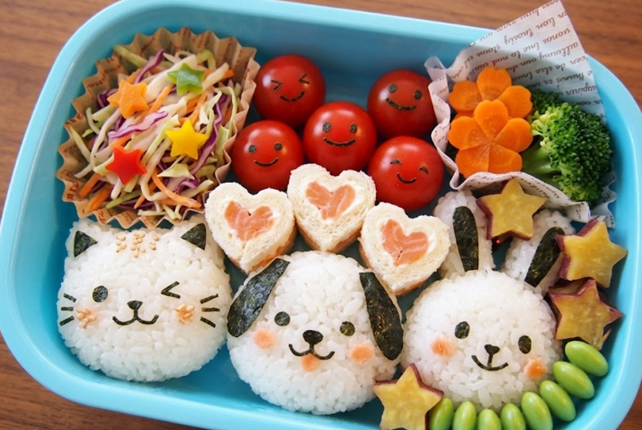
A bento is a packed meal, usually arranged in a compact lunch box.
A typical bento may include rice, protein, vegetables, and side dishes carefully portioned into sections.
At a practical level, it is simply a portable meal.
But presentation matters.
Balance matters.
Variety matters.
Even everyday homemade bentos often reflect thoughtfulness in how food is arranged.
This visual care helps explain why bento feels culturally distinct from simply “packed lunch” in some other contexts.
❤️ A Form of Care
This may be the most important part.
For many people, homemade bento is closely connected with care.
Someone wakes up early.
Prepares ingredients.
Balances taste, practicality, and nutrition.
Packs food carefully so it survives the day.
That effort means something.
As a child or teenager, you may not fully think about it.
You simply open the box and eat.
But later, many people remember the effort differently.
I think that happens to many adults.
At the time, lunch was just lunch.
Looking back, it feels like something much more personal.
🏫 Bento and School Life
School culture plays a major role in bento memories.
Because lunch is part of the school day, it becomes tied to friendship, routine, and growing up.
Conversations with classmates.
Quick lunches between activities.
Ordinary school days that later become nostalgic.
And depending on the school, homemade lunch may be the normal routine for years.
That repetition creates memory.
A meal eaten once is just a meal.
A meal repeated hundreds of times becomes part of identity.
🌳 Why Field Trip Bento Feels Different
Then there is the special version of bento.
Field trip bento.
For some reason, food tastes different outdoors.
Maybe it is anticipation.
Maybe excitement.
Maybe simply being away from normal routines.
But many people remember school excursion lunches vividly.
The same lunch box can somehow feel more special simply because of the setting.
That emotional association matters.
Food rarely exists in isolation.
It becomes attached to place, mood, and memory.
🏪 Homemade vs Convenience Store Bento
Today, bento is not only homemade.
Convenience stores, supermarkets, train stations, and department stores sell excellent ready-made bentos.
These are practical, affordable, and often delicious.
But emotionally, they can occupy a different space.
A store-bought bento solves hunger.
A homemade bento may carry memory.
That does not make one objectively better.
They simply serve different emotional roles.
🎨 Why Presentation Matters
Japanese bento often emphasizes visual balance.
Color.
Arrangement.
Small details.
This reflects a broader food culture where presentation matters, not only flavor.
Food is experienced with the eyes first.
Even simple lunches may be packed with intention.
That care changes perception.
A neatly arranged lunch feels different from food thrown together carelessly.
🌏 A Universal Feeling
Of course, Japan is not the only country where packed lunches carry emotional meaning.
Many people around the world remember lunches made by parents or family members.
That feeling is universal.
What makes Japanese bento culturally distinctive is perhaps the combination of routine, presentation, portability, and school-life association.
The emotional core itself is deeply human.
🇯🇵 Conclusion
A Japanese bento is, technically, just a lunch box.
But emotionally, it can be much more.
For many people, it represents school days, family care, ordinary routines, and small acts of love that only become fully visible later in life.
I still remember the bentos my mother made for me.
At the time, I simply ate them.
Now, I understand them differently.
Maybe every culture has food like that.
Something ordinary at the time.
Something meaningful in memory.
Is there a meal from childhood that you remember not because it was luxurious, but because someone made it for you? It would be fascinating to hear those memories from around the world.
🔗Discover more about Japan
👉 What Is Kakuchi? Japan’s Hidden Standing Bar Culture Inside Liquor Stores (2026 Guide)
👉 The Day Japan Eats Unagi: A Summer Tradition Explained (2026 Guide)
👉 Why Do Japanese People Care So Much About Seasonal Foods? (2026 Guide)
👉 Why Does Japanese Food Come With Rice, Soup, and Side Dishes? (2026 Guide)
👉 Why Is Japanese Food Presentation So Beautiful? (2026 Guide)
👉 Why Are Japanese Convenience Store Desserts So Popular? A Sweet Part of Everyday Life (2026 Guide)
👉 What Is an Izakaya? Japan’s Casual Drinking & Food Culture Explained (2026 Guide)