
🧠 Introduction
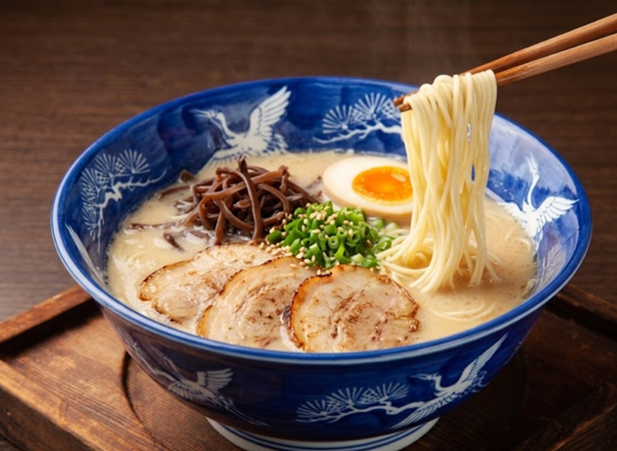
Ramen is one of the most popular foods in Japan, but it is much more than just a bowl of noodles. For many people, it is a deeply personal and regional experience, shaped by local tastes, traditions, and habits.
If you visit Japan, you will quickly realize that no two bowls of ramen are exactly the same. From rich, creamy broths to light, clear soups, ramen reflects both diversity and attention to detail.
👉 Understanding ramen helps you understand Japanese food culture itself.
🎯 Quick Answer
Ramen in Japan is defined by three key elements:
- broth (flavor base)
- noodles
- toppings
👉 The experience changes depending on how these are combined.
🍜 1. Main Types of Ramen
There are four major styles of ramen you will find across Japan.(Japanese ramen types)
🟤 Shoyu (Soy Sauce)
A clear, brown broth made with soy sauce. It has a balanced and slightly sharp flavor, making it one of the most traditional styles.
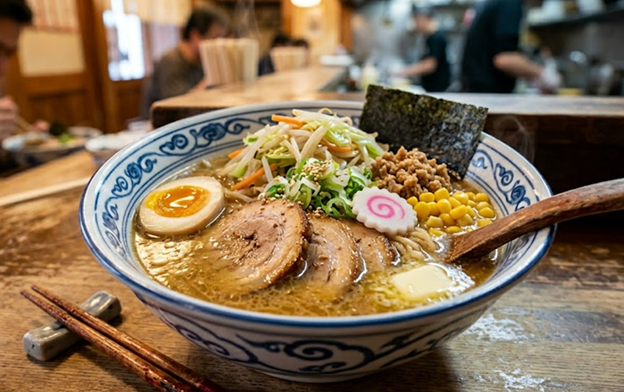
⚪ Shio (Salt)
A lighter, clearer broth with a delicate taste. It is often considered the most subtle and refined type.
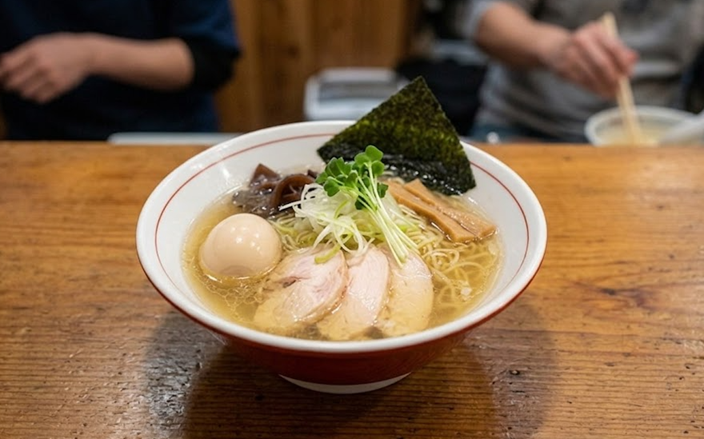
🟡 Miso
A rich and slightly sweet broth made with fermented soybean paste. Popular in colder regions, it has a deeper and more complex flavor.
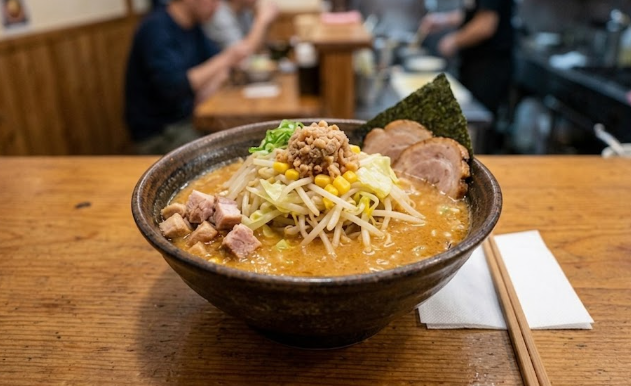
🟤 Tonkotsu (Pork Bone)
A creamy, white broth made by boiling pork bones for many hours. It is thick, rich, and especially popular in southern Japan.
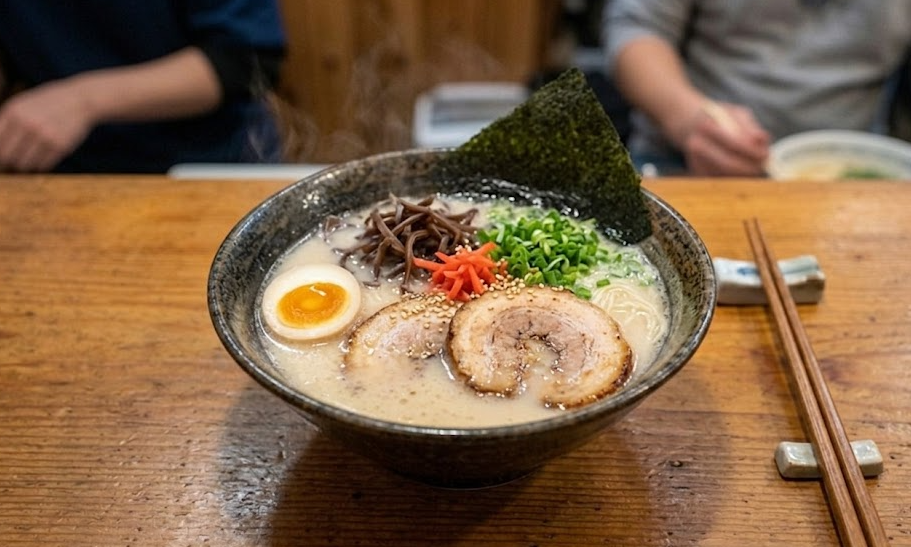
👉 Each type offers a completely different experience.
🧠 What Is Umami? The Secret Behind Ramen’s Flavor
One of the key reasons ramen tastes so rich and satisfying is something called umami.
Umami is often described as the “fifth taste,” alongside sweet, salty, sour, and bitter. It represents a deep, savory flavor that makes food feel more complete.
In ramen, umami comes from ingredients such as:
- pork bones (tonkotsu broth)
- soy sauce
- dried fish or seaweed (dashi)
These ingredients are often simmered for hours, allowing their flavors to combine and intensify.
👉 This is why ramen broth feels so rich—even without heavy seasoning.
Understanding umami helps you notice something important:
👉 ramen is not just strong in flavor
👉 it is carefully layered
“Umami is one of the reasons Japanese food, especially ramen, is loved around the world.”
🧭 How to Choose Your First Ramen
If you’re not sure where to start:
- Light flavor → Shio or Shoyu
- Rich flavor → Tonkotsu
- Hearty and strong → Miso
👉 This simple guide helps you pick your first bowl easily.
🥚 2. Common Toppings
Toppings are not just decoration—they define the bowl.
Typical toppings include:
- chashu (braised pork slices)
- ajitama (seasoned soft-boiled egg)
- green onions
- bamboo shoots (menma)
- seaweed
👉 Shops carefully balance toppings with the broth.
👉 Even small differences can change the taste significantly.
🌏 3. Regional Ramen Culture
Ramen is strongly connected to local identity.
Examples include:
- Sapporo (miso ramen)
- Hakata (tonkotsu ramen)
- Kitakata (soy sauce ramen with thick noodles)
👉 Each region has its own style, ingredients, and history.
👉 This is why many people travel specifically to try local ramen.
“In Japan, ramen is not just a meal—it’s a personal experience.”
😮 4. Why Do People Slurp Ramen?
One thing that surprises many visitors:
👉 people eat ramen loudly
In most situations in Japan, making noise while eating is considered impolite.
However, ramen and soba are exceptions.
There are several reasons:
- slurping helps cool down hot noodles
- it enhances the aroma of the broth
- it shows enjoyment of the meal
👉 Importantly, it is not required.
👉 You can eat quietly if you prefer.
👉 But if you do slurp, it will feel natural in Japan.
🧭 5. How to Eat Ramen Like a Local
Eating ramen is simple, but there are a few unspoken habits.
- eat while it is hot (ramen changes quickly)
- do not stay too long after finishing
- focus on the meal rather than conversation
👉 Ramen shops are designed for quick, efficient dining.
👉 The goal is to enjoy the bowl at its best moment.
🧠 6. Ramen as a Cultural Experience
Ramen is not just fast food.
It reflects:
- craftsmanship
- regional diversity
- attention to detail
Each bowl represents the chef’s choices, from broth preparation to ingredient balance.
👉 In that sense, ramen is both simple and highly refined.
🇯🇵 Conclusion
Ramen in Japan is more than a popular dish—it is a reflection of culture, region, and personal taste.
By understanding the different types, toppings, and eating styles, you can appreciate it on a deeper level.
👉 And once you start exploring, you may find that one bowl is never enough.
🔗Discover more about Japan
👉How to Order Ramen in Japan (Like a Local): A Step-by-Step Guide (2026)
👉What Is Kakuchi? Japan’s Hidden Standing Bar Culture Inside Liquor Stores (2026 Guide)
👉The Day Japan Eats Unagi: A Summer Tradition Explained (2026 Guide)
👉Why Do Japanese People Care So Much About Seasonal Foods? (2026 Guide)
👉Why Does Japanese Food Come With Rice, Soup, and Side Dishes? (2026 Guide)
👉Why Is Japanese Food Presentation So Beautiful? (2026 Guide)
👉Why Are Japanese Convenience Store Desserts So Popular? A Sweet Part of Everyday Life (2026 Guide)
👉What Is an Izakaya? Japan’s Casual Drinking & Food Culture Explained (2026 Guide)
Planning to explore ramen across Japan?
Make your trip smoother with the right tools and transport options:
👉 Essential Travel Guide for Japan