
🧠 Introduction
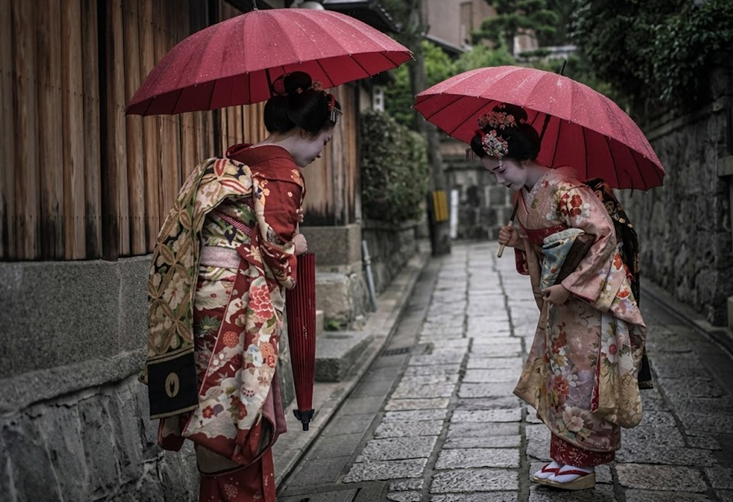
Japanese bowing etiquette
Every culture has its own way of greeting others. In many Western countries, people often say hello out loud—even to strangers in elevators, parks, or public spaces.
Japan is different.
Visitors sometimes feel that people in Japan do not greet each other as openly. However, this is not because greetings are absent. Instead, they take a different form.
👉 In Japan, greetings are often expressed through bowing.
Understanding this simple gesture can change how you see everyday interactions in Japan.
🎯 Quick Answer
Japanese people bow to:
- greet others
- show respect
- express gratitude or apology
👉 It is a non-verbal way of communicating intention and attitude.
In Japan, a bow is not just a gesture—it is a form of communication.
🧩 1. The Origin of Bowing
Bowing in Japan has a long history. One commonly accepted idea is that lowering your head shows that you are not a threat.
By exposing a vulnerable posture, a person communicates:
👉 “I come without hostility.”
Over time, this gesture evolved into a cultural norm used in many situations, from daily greetings to formal ceremonies.
🤝 2. Bowing as a Form of Greeting
From a Western perspective, greetings are often verbal:
- “Hello”
- “Good morning”
In Japan, greetings can be quieter and more subtle.
For example:
- a slight bow when passing someone
- a nod when entering an elevator
These small gestures carry meaning.
👉 Even without words, they express acknowledgment and respect.
👉 This is an important point for visitors:
👉 Japanese people are not ignoring you—they may simply be greeting you differently.
📊 3. Types of Bowing in Japan
There are three main types of bowing, each used in different situations.
There are three main types of bowing in Japan, each used depending on the situation and level of respect.
| Angle | Meaning | Situation |
|---|---|---|
| ~15° | Light respect | Casual greetings, passing someone |
| ~30° | Polite respect | Business, customer service |
| ~45° | Strong respect | Deep apology or gratitude |
👉 The deeper the bow, the stronger the feeling being expressed.
🧭 4. When Do People Bow?
Bowing is used in many everyday situations:
- greeting someone
- thanking someone
- apologizing
- entering or leaving a place
In business settings, bowing is especially important and often combined with formal language.
In daily life, however, it is usually subtle and quick.
🧠 5. Bowing vs. Speaking
One interesting difference between cultures is how greetings are expressed.
In many Western countries:
- greetings are verbal
- eye contact and speech are emphasized
In Japan:
- greetings are often physical (bowing)
- silence is more accepted
👉 Both cultures value greetings.
👉 They simply express them in different ways.
⚖️ 6. Do You Need to Bow as a Traveler?
You are not expected to bow perfectly.
However, a small nod or slight bow is always appreciated and seen as respectful.
👉 Even a simple gesture shows awareness of local culture.
🇯🇵 Conclusion
Bowing in Japan is more than just a habit. It is a way of expressing respect, awareness, and intention without words.
While it may feel unfamiliar at first, it becomes natural once you understand its meaning.
👉 In Japan, communication is not always spoken—
👉 sometimes, it is quietly expressed through a simple bow.
🔗Explore more of Japan
・Tipping in Japan: Why You Don’t Need to Tip (And What to Do Instead)
・Why Do Japanese People Value Harmony So Much? The Hidden Logic of “Wa” (2026 Guide)