
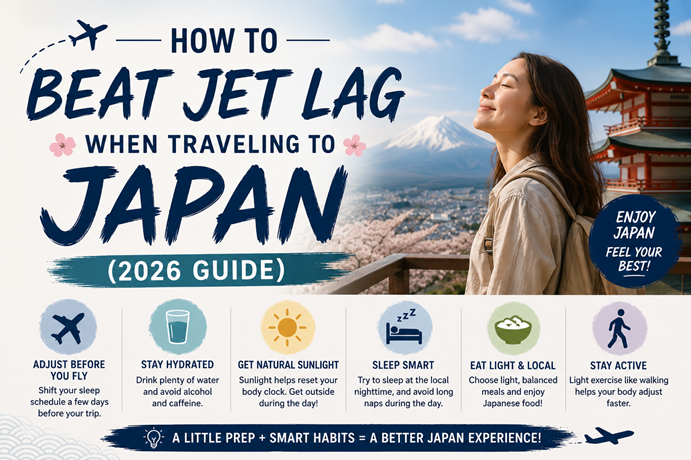
🌏 Introduction
After a long international flight, many travelers expect their biggest challenge in Japan to be navigating train stations, understanding the language, or figuring out where to eat. In reality, the first obstacle often arrives before any sightseeing begins. It is jet lag.
I have lived in several countries and traveled to many more, and although every destination has offered something different, one thing has remained surprisingly consistent. No matter how many times I crossed oceans, my body always needed time to catch up. Flying between Japan and North America was especially difficult because of the large time difference. Sometimes I arrived in Japan feeling energetic at midnight and exhausted at lunchtime. Other times I woke up at three o’clock in the morning completely unable to fall asleep again. I eventually realized that jet lag is not simply about feeling tired. It changes your appetite, your concentration, your mood, and even your excitement for the trip you have been planning for months.
That is why I gradually developed my own routine whenever I returned to Japan.
The moment I checked into my hotel, I resisted the temptation to lie down on the bed. It always looked inviting after a long flight, but I knew from experience that “just a twenty-minute nap” could easily become three hours of sleep. Instead, I changed into comfortable clothes and either went to the hotel gym for a light run or spent at least thirty minutes walking around the neighborhood. After moving my body, I took a shower, ate dinner at a normal Japanese dinner time, and later in the evening filled the bathtub with hot water before going to bed around nine o’clock. It never eliminated jet lag completely, but it helped my body understand that I was now living on Japan time instead of the time zone I had just left.
Over the years, I discovered that Japan itself actually makes recovering from jet lag easier than many people expect. The country’s walkable cities, convenient convenience stores, excellent public transportation, and even its bathing culture naturally encourage routines that help your body adjust. Instead of fighting your internal clock, you can gently guide it toward the rhythm of daily life in Japan.
🕒 Understanding Why Jet Lag Feels So Difficult
Jet lag happens because your body’s internal clock does not immediately recognize that you have entered a new time zone. Your watch may say it is eight o’clock in the evening, but your body may still believe it is early morning. That mismatch affects almost everything. Hunger arrives at unusual times. Sleep becomes unpredictable. You may feel wide awake when everyone else is preparing for bed, then struggle to stay awake in the middle of the afternoon.
Many travelers underestimate how much this affects their first few days in Japan. After spending months planning a dream itinerary, it is tempting to begin sightseeing immediately after landing. Some people head straight from the airport to famous places like Shibuya, Asakusa, Kyoto, or Osaka Castle without allowing their bodies any time to adjust. By late afternoon, however, exhaustion begins to take over. The excitement fades, concentration becomes difficult, and the experience feels less enjoyable than expected.
I have made that mistake myself.
When I was younger, I believed the best solution was simply to push through it. Sometimes I would drink coffee, keep walking, and hope my body would eventually catch up. Occasionally it worked. More often, I found myself falling asleep much earlier than planned, waking up in the middle of the night, and repeating the same cycle for several days.
Eventually I learned that adjusting to a new time zone is less about forcing your body and more about helping it understand its new surroundings.
🚶 The First Thing I Always Do After Checking Into My Hotel
People often ask whether they should sleep immediately after arriving.
My answer is almost always the same.
If possible, don’t.
Instead, move.
This has become one of the most reliable habits I have developed after years of international travel.
After checking into my hotel, I leave my luggage in the room, change into comfortable clothes, and go outside. If the hotel has a fitness center, I usually spend some time on the treadmill or go for a light run. If there is no gym, I simply walk around the neighborhood for at least thirty minutes.
The goal is not exercise for fitness.
The goal is telling my body that a new day has started.
Walking through Japanese streets also has another unexpected benefit.
Rather than spending your first hours in a hotel room staring at the ceiling, you immediately begin experiencing your destination. You notice the quiet residential streets, the neighborhood parks, the local convenience stores, the small restaurants preparing dinner, and the rhythm of everyday life that many tourists miss while rushing between famous attractions.
Some of my favorite travel memories have begun with these simple walks.
Not because I visited famous landmarks, but because I slowly became part of the city around me.
By the time I returned to my hotel, I already felt more connected to Japan than I had just a few hours earlier.
☀️ Sunlight Helps More Than You Might Expect
One of the simplest tools for overcoming jet lag is completely free.
Sunlight.
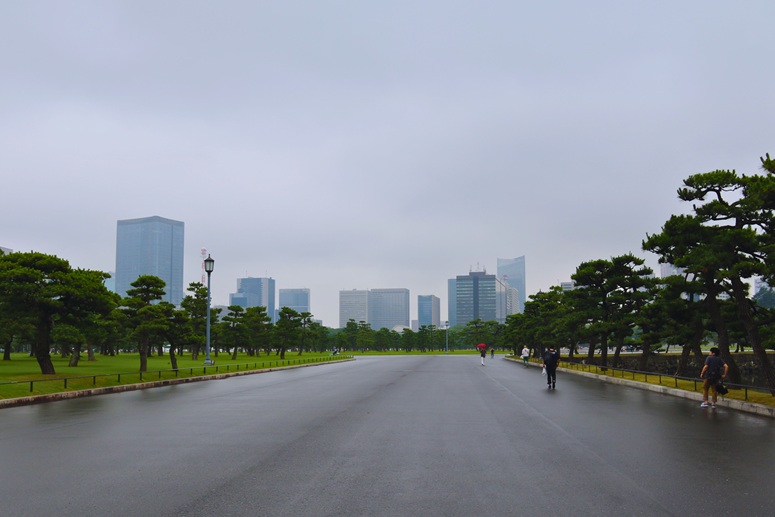
Natural light is one of the strongest signals your body uses to regulate its internal clock. Spending time outdoors after arriving in Japan helps your brain begin adjusting to the local day-night cycle.
This is another reason I enjoy walking shortly after checking into a hotel.
Instead of sitting indoors under artificial lighting, I let natural daylight tell my body that it is daytime in Japan.
Even if I still feel tired, the combination of movement and sunlight usually helps me stay awake until evening.
That makes falling asleep at a normal bedtime much easier.
Japan is particularly pleasant for this kind of adjustment because walking is already part of everyday life. Train stations, shopping streets, parks, and neighborhoods naturally encourage people to spend time outdoors. Rather than treating the walk as another item on your itinerary, think of it as the beginning of your recovery.
🛁 Let Japanese Bath Culture Help Reset Your Body Clock
One part of my routine has become especially important over the years, and interestingly, it is something many travelers already have access to in Japan.
A bathtub.
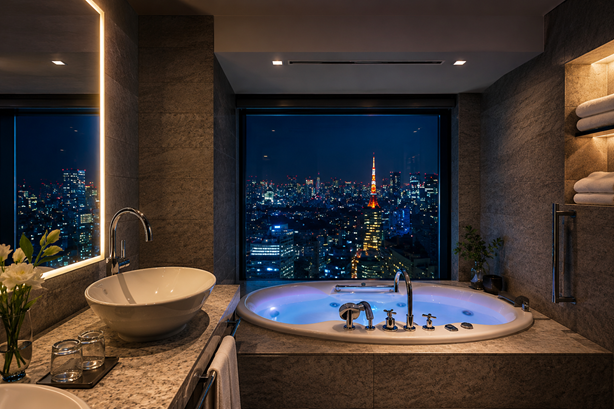
Whenever I stay somewhere that has a bathtub, I almost always use it on my first night. Around nine o’clock in the evening, after I have finished walking, had dinner, and settled into my room, I fill the tub with hot water and soak for fifteen to twenty minutes.
Some people might see this as a luxury after a long flight.
I see it as part of recovering from jet lag.
Warm water raises your body temperature, and when you leave the bath, your temperature gradually begins to fall. That natural cooling process helps trigger sleepiness, making it easier to fall asleep at a time that matches Japan’s schedule. Rather than fighting my body with coffee late in the day or relying on sleeping pills, I prefer letting my body adjust naturally.
This is one reason I have always appreciated Japan’s bathing culture.
For many Japanese people, taking a bath in the evening is not simply about getting clean. It is a way to relax, wash away the fatigue of the day, and prepare both the body and the mind for sleep. Even when I lived overseas, I often missed that evening routine. Returning to Japan reminded me how much difference a quiet bath could make after a stressful or physically demanding day.
If your hotel room has a bathtub, I encourage you to use it.
If your hotel offers a large public bath, that can be even more enjoyable, provided you are comfortable with Japanese bathing customs and understand the rules before entering.
Sometimes one of the best ways to recover from international travel is not through medicine but through simple routines that local people have practiced for generations.
🍱 Eat According to Japan’s Clock, Not Your Home Clock
Food also plays an important role when adjusting to a new time zone.
After arriving in Japan, your body may tell you that it is breakfast time even though local people are eating dinner. You may not feel hungry when everyone else is sitting down for lunch. That is perfectly normal.
Still, I try to eat according to local time as quickly as possible.
Rather than eating whenever I happen to feel hungry, I make an effort to have breakfast in the morning, lunch around midday, and dinner in the evening.
Doing so gives my body another signal that life has changed.
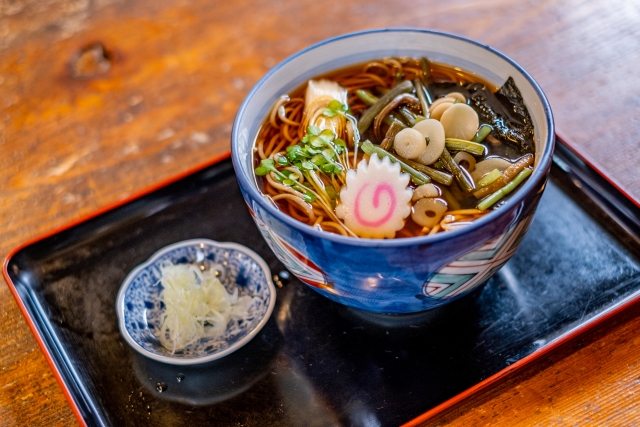
On my first day, I usually avoid eating an excessively heavy meal late at night. Instead, I prefer something balanced and familiar. A Japanese set meal, a bowl of udon, grilled fish with rice, or even a simple meal from a convenience store often feels much easier on my stomach than rich food immediately after a long international flight.
Hydration is equally important.
Long flights can leave travelers surprisingly dehydrated, especially after spending many hours inside an airplane cabin. I usually stop by a convenience store soon after arriving to buy bottled water, tea, or an electrolyte drink so that I can continue drinking regularly throughout the evening.
Japan makes this easy.
Convenience stores are everywhere, remain open late into the night, and sell far more than snacks. For travelers recovering from a long flight, they quickly become one of the most useful places to visit.
😴 Don’t Try to See Everything on Day One
One mistake I see many travelers make is trying to maximize every hour of their first day.
After all, flights are expensive.
Vacations are limited.
It feels wasteful to “lose” a day because of jet lag.
I understand that feeling completely.
But after years of traveling, I have come to believe the opposite.
Sometimes slowing down on your first day allows you to enjoy the rest of your trip much more.
Instead of rushing through museums while half asleep or walking through famous neighborhoods without really noticing them, spend your arrival day adjusting to your new environment.
Take a walk.
Enjoy a quiet dinner.
Visit a nearby convenience store.
Watch the neighborhood begin to slow down in the evening.
Take a bath.
Go to sleep at a reasonable hour.
You may feel as though you accomplished less on that first day, but you are investing in every day that follows.
A successful trip is not measured by how many attractions you visited on your arrival day.
It is measured by how much you truly enjoyed the entire journey.
🌏 What Japan Makes Surprisingly Easy
Looking back on my travels, I have realized that every country presents different challenges after arrival.
Some destinations require a rental car immediately.
Others make it difficult to find food late at night.
Some cities are difficult to explore on foot.
Japan feels different.
Its transportation system is reliable.
Neighborhoods are safe and pleasant to walk through.
Convenience stores provide almost everything a tired traveler might need.
Hotels almost always offer excellent showers, and many include bathtubs.
Even something as simple as taking an evening walk often becomes enjoyable because there is always something interesting to discover.
Without realizing it, many parts of everyday life in Japan naturally support the routines that help travelers recover from jet lag.
Perhaps that is one reason I always find it easier to settle into life here than I expect.
🇯🇵 Conclusion
How do you beat jet lag when traveling to Japan?
There is no magic solution, and everyone’s body adjusts at a different pace. However, after years of living abroad and traveling internationally, I have learned that a few simple habits make a remarkable difference. Resist the temptation to sleep immediately after arriving. Get outside and walk for at least thirty minutes or enjoy a light workout if your hotel has a gym. Let natural sunlight help reset your internal clock. Eat according to Japan’s local schedule, stay hydrated, and perhaps most importantly, take advantage of one of Japan’s most relaxing traditions by enjoying a hot bath before going to bed.
For me, soaking in a bathtub around nine o’clock in the evening has become one of the most effective ways to tell my body that the day is ending. It is not simply about relaxation. It is a gentle way of helping my internal clock catch up with the country I have just arrived in.
Sometimes the best travel advice is surprisingly simple.
Slow down on your first day.
Let your body adjust.
Allow yourself to experience Japan’s everyday rhythm before rushing to see its famous landmarks.
You may discover that your journey becomes much more enjoyable from the very beginning.
🌏 Continue Planning Your Trip to Japan
If this guide helped you prepare for your arrival in Japan, you may also enjoy these practical travel articles to make your trip smoother and more comfortable.
👉 How to Use Japanese Drugstores: Hidden Essentials for Everyday Life (2026 Guide)
👉 How to Buy Medicine in Japan: What Travelers Need to Know (2026 Guide)
👉 What Should You Do With Your Luggage in Japan? Storage, Delivery, and Travel Tips (2026 Guide)
👉 Suica vs Welcome Suica vs PASMO: Which IC Card Should Tourists Choose? (2026 Guide)
👉 How to Use Visit Japan Web: Skip Paper Forms and Save Time at the Airport (2026 Guide)