
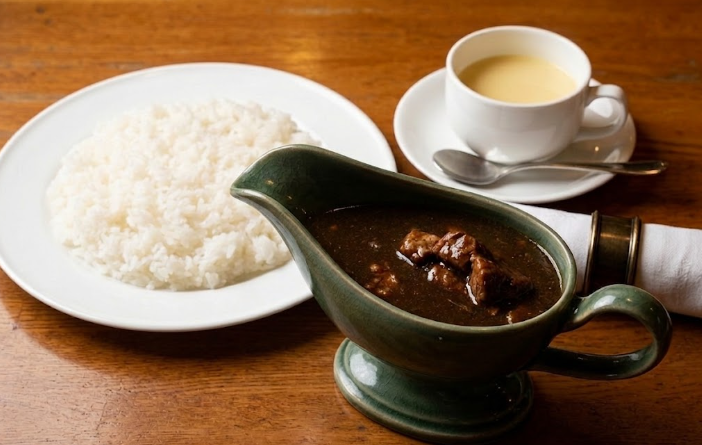
🧠 Introduction
When people think of Japanese food, they often imagine sushi or ramen.
But inside Japan, there is another dish that people love just as much—
👉 curry.
It’s warm, rich, slightly sweet, and deeply comforting.
More importantly, it’s something almost everyone in Japan grows up eating.
👉 Japanese curry is not just food.
👉 It’s part of everyday life.
🎯 Quick Answer
Japanese curry is a thick, mildly spiced dish served with rice.
👉 It is different from Indian curry because it is:
- sweeter
- less spicy
- thicker in texture
👉 It is one of the most popular home-cooked meals in Japan.
🧩 1. What Is Japanese Curry?
Japanese curry, often called “curry rice,” is a simple but satisfying dish:
- rice
- curry sauce
- meat (usually pork, beef, or chicken)
- vegetables (potatoes, carrots, onions)
👉 The sauce is thick and smooth, almost like a stew.
Unlike many other curries around the world,
👉 Japanese curry focuses on balance and comfort rather than strong spices.
🧠 2. Why Is Japanese Curry So Different?
Many visitors are surprised:
👉 “This doesn’t taste like Indian curry.”
That’s because Japanese curry has a different origin.
🌍 From India to Japan (via Britain)
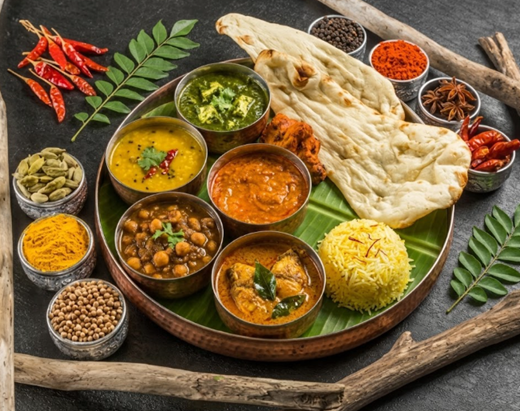
Curry first came to Japan in the 19th century,
through the British Navy.
👉 Instead of direct Indian spices,
👉 Japan adopted a Western-style curry.
This led to a unique evolution:
- flour-based roux (to thicken the sauce)
- mild spices
- slightly sweet flavor
👉 Over time, Japan created its own version of curry.
Japanese curry originally came from India through the British Navy during the Meiji era, but over time it evolved into something uniquely Japanese.
🍛 3. A Dish Everyone Grows Up With
In Japan, curry is more than a meal.
👉 It is a childhood memory.
- served at home
- served in school lunches
- easy to cook and affordable
👉 Almost everyone has a “taste of home” connected to curry.
Many people say:
👉 “My mother’s curry is the best.”
Even though the ingredients are similar,
👉 every family’s curry tastes slightly different.
“Japanese curry is not just an imported dish—it has evolved into a part of everyday Japanese life.”
🍱 4. Endless Variety: Types and Toppings
One of the most exciting things about Japanese curry is its variety.
🥩 Different Styles
- pork curry (most common in eastern Japan)
- beef curry (popular in western Japan)
- chicken curry
- vegetable curry
👉 Each region and household has its own preference.
🍤 Popular Toppings
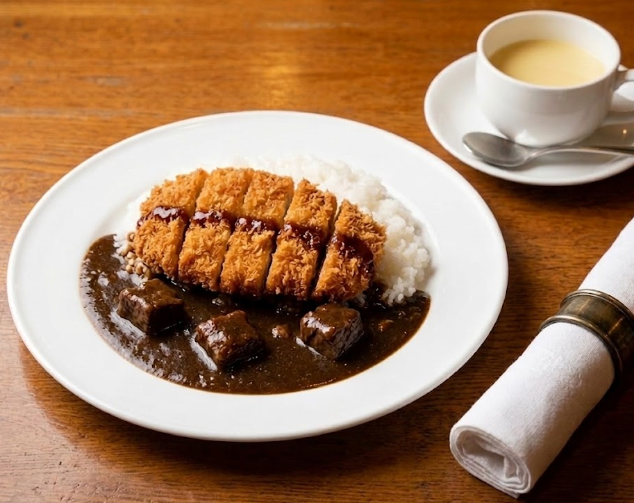
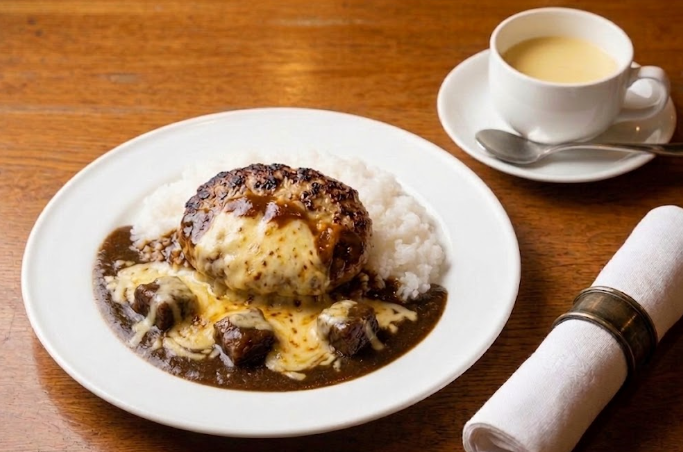
- tonkatsu (crispy pork cutlet)
- cheese
- fried egg
- hamburger steak
👉 Toppings turn curry into a customizable experience.
👉 You can create your own perfect plate.
🧭 5. How to Enjoy Curry in Japan
👉 You can find curry almost everywhere:
- home kitchens
- casual restaurants
- chain stores like CoCo Ichibanya
💰 Price Range
- budget: ¥500–¥1000 ($3.5 -$7 )
- mid-range: ¥1000–¥2000 ($7 – $14)
- with premium toppings: ¥2000+ ($14+)
👉 It’s affordable and filling.
🥄 Tips for First-Time Visitors
- try katsu curry (most popular)
- choose your spice level (usually mild to spicy)
- add toppings to customize
👉 It’s one of the easiest Japanese dishes to enjoy.
🇯🇵 Conclusion
Japanese curry may have come from abroad,
👉 but it has become something deeply Japanese.
For many Japanese people, curry is connected to childhood memories, school lunches, and comfort after a long day.
It is:
- simple
- comforting
- endlessly customizable
And for many people in Japan,
👉 it is the taste of childhood.
If you visit Japan,
👉 don’t just try sushi or ramen.
👉 Try curry.
And maybe,
👉 you’ll find your own “taste of Japan.”
🔗Explore more of Japan
👉 What Is Kakuchi? Japan’s Hidden Standing Bar Culture Inside Liquor Stores (2026 Guide)
👉 The Day Japan Eats Unagi: A Summer Tradition Explained (2026 Guide)
👉 Why Do Japanese People Care So Much About Seasonal Foods? (2026 Guide)
👉 Why Does Japanese Food Come With Rice, Soup, and Side Dishes? (2026 Guide)
👉 Why Is Japanese Food Presentation So Beautiful? (2026 Guide)
👉 Why Are Japanese Convenience Store Desserts So Popular? A Sweet Part of Everyday Life (2026 Guide)
👉 What Is an Izakaya? Japan’s Casual Drinking & Food Culture Explained (2026 Guide)
From ramen to curry, Japan’s food culture is best experienced by exploring different regions.
Plan your trip with all the essential tools here:
👉 Essential Travel Guide for Japan