
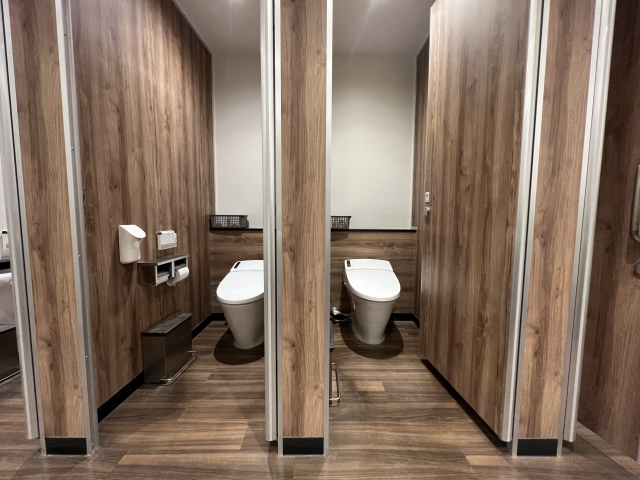
🌏 Introduction
Public toilets can tell you surprisingly a lot about a country.
That may sound strange at first, but anyone who has traveled internationally probably understands the feeling.
Toilets vary enormously from place to place. In some countries, using a public restroom requires payment. In others, an attendant may be standing near the entrance. Some places have very little privacy, while others have gaps in doors that make some visitors uncomfortable. Sometimes toilet paper is missing. Sometimes the smell is the first thing you notice.
Public toilets are one of those small parts of everyday life that reveal how differently countries are designed.
Japan is no exception.
And for many foreign visitors, Japanese public toilets become unexpectedly memorable.
Not because toilets are glamorous, of course, but because the experience often feels different from what people expect.
For many travelers, one of the first surprises is cleanliness. Another is privacy. And then there is the famous technology—buttons, bidet functions, sound effects, heated seats, and controls that can look surprisingly intimidating if you have never seen them before.
I have visited many countries, and public restroom experiences can vary wildly. That is one reason Japanese public toilets often stand out. Not because every toilet in Japan is perfect, but because the overall expectations and everyday experience can feel noticeably different.
If you are visiting Japan for the first time, understanding how public toilets work can make life much easier.
🎯 Quick Answer
Public toilets in Japan are generally easy to use, often clean, and widely available in places such as train stations, department stores, shopping centers, parks, and public facilities. Many include bidet-style washlet functions, strong privacy, and thoughtful design features that may surprise first-time visitors.
That said, not every toilet is identical, and understanding a few practical differences helps avoid confusion.
🚻 Where Can You Find Public Toilets in Japan?
One of the reassuring things about Japan is that public toilets are usually accessible in everyday locations.
Train stations are one of the most common places to find them, especially in larger cities. Department stores and shopping centers almost always have them, and parks, public buildings, museums, and some convenience-adjacent spaces may also provide access.
For visitors, this matters because long days exploring cities can quickly make restroom access important.
That does not mean every toilet will be in exactly the same condition or have the same features. A busy station toilet and a newly renovated department store restroom may feel very different.
But in general, finding a toilet in Japan is less stressful than in some countries where public access is much more limited.
🚽 The Technology Surprise
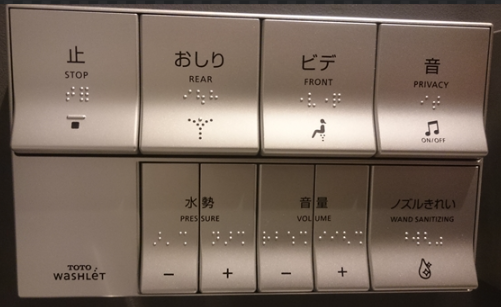
For many visitors, the most famous surprise is technology.
Modern Japanese toilets often include built-in washlet systems, commonly known internationally as bidet toilets. If you are unfamiliar with them, the control panel can look intimidating at first.
Buttons may include water spray functions, seat warming, stop buttons, adjustable pressure, and sometimes sound masking features designed to create privacy.
At first glance, it can feel more like operating electronics than using a toilet.
But the basics are simple.
If you do not want any of the extra functions, you can simply use the toilet normally.
Nothing requires advanced knowledge.
And if you do try the washlet functions, pressing “stop” is your friend.
For many visitors, what seems confusing at first becomes surprisingly comfortable very quickly.
🔒 Privacy Often Feels Different
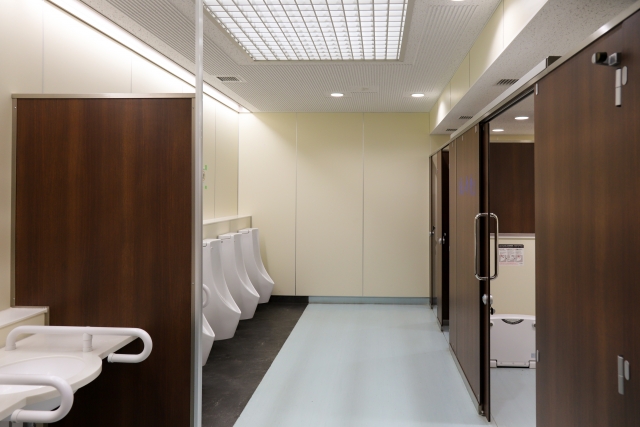
Another thing that surprises some visitors is privacy.
Public restroom design varies significantly around the world, and expectations can be very different depending on where you are from.
In some countries, door gaps are large enough to feel awkward. In others, stall design can feel less private than some travelers expect.
Japan often feels different in this respect.
Public toilet stalls are often compact, but that compactness can actually create a stronger sense of privacy.
The design tends to feel enclosed and self-contained.
That may seem like a small detail, but when traveling, small comfort differences matter.
🧻 Practical Things to Know
One practical question many visitors ask is whether toilet paper is available.
In Japan, it usually is.
This may sound obvious, but internationally, that expectation is not universal.
That said, carrying tissues is still common in Japan and can be useful, especially when visiting older facilities or less predictable public spaces.
Soap availability can also vary.
Many modern restrooms provide soap, but not always.
Hand dryers became less consistently available in some places after the pandemic, and paper towels are not guaranteed either.
This means carrying a small hand towel, something many people in Japan already do, can be surprisingly practical.
That tiny habit quickly makes sense.
🚻 Not Every Toilet Is the Same
One important thing to remember is that Japan does not have one universal toilet experience.
Many public toilets are modern and familiar once you understand them.
Some are older.
Some are basic.
And yes, squat toilets still exist in certain places, especially older stations or older public facilities, though they are less common than before.
For first-time visitors, this can be surprising.
So while the general experience is often comfortable, flexibility helps.
🔊 What Is That Sound Button?
This surprises many visitors.
Some Japanese public toilets include sound masking functions, sometimes designed to create privacy by covering natural restroom sounds. Some systems play a flushing sound without actually using water, simply to provide privacy. For someone encountering it for the first time, it can feel amusing or confusing.
This reflects a different design sensitivity around comfort and embarrassment.
For someone encountering it for the first time, it can feel amusing or confusing.
But once you understand the purpose, it makes sense.
It is simply another example of practical design shaped by everyday social expectations.
♿ Accessibility and Thoughtful Design
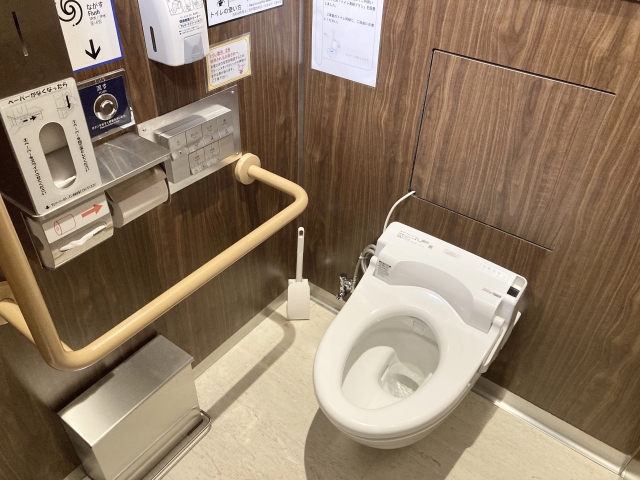
Many public restrooms in Japan also include accessible stalls with additional space and features for wheelchair users, caregivers, or parents with young children.
The exact quality varies by location, but thoughtful design is often noticeable.
This is another reason public restroom experiences in Japan often stand out—not because they are luxurious, but because practical usability is clearly considered.
🌏 Why This Surprises Visitors
The reason Japanese public toilets feel memorable is not simply technology.
It is expectation.
People arrive with different experiences shaped by home countries, travel history, and assumptions about public infrastructure.
When those expectations are challenged, even something ordinary becomes memorable.
That is why toilets become such common travel conversation topics.
They reveal everyday design choices people normally never think about.
🇯🇵 Conclusion
Public toilets are not usually something people plan to write home about.
And yet travelers often remember them.
Japan’s public toilets can feel surprisingly comfortable, private, and thoughtfully designed compared with what some visitors expect—not because every single restroom is perfect, but because the overall experience often reflects practical attention to everyday usability.
For first-time visitors, the technology may look intimidating, but the learning curve is short.
And once you understand the basics, using public toilets in Japan becomes just another easy part of daily life.
Sometimes the most ordinary things tell you the most about a place.
What has surprised you most about public toilets in different countries? It would be fascinating to hear how everyday expectations differ around the world.
🔗Go deeper into Japan
・Why Are There So Few Trash Cans in Japan? What Travelers Should Actually Do
・Why Do Japanese People Love Bathing So Much? The Culture Behind Ofuro and Relaxation (2026 Guide)
・Best Apps for Traveling in Japan (2026): 6 Essential Apps Every Tourist Needs
・How to Use ATMs in Japan: A Complete Guide for Foreign Travelers (2026)