
🧠 Introduction
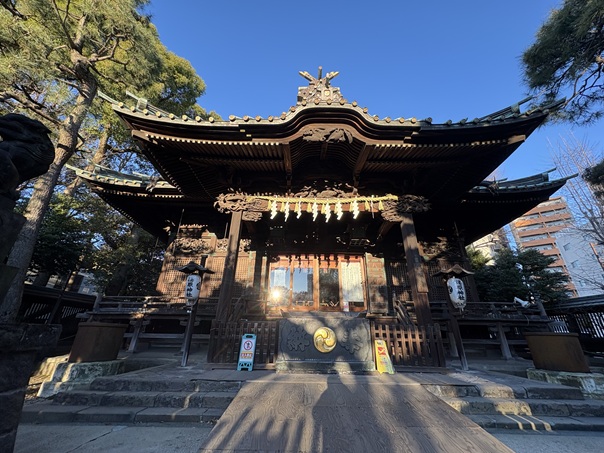
Visiting a Japanese shrine is one of the most memorable cultural experiences in Japan.
From the striking torii gates to the peaceful atmosphere,
shrines offer a glimpse into the country’s spiritual heart.
👉 But many travelers wonder:
👉 “What should I do—and what should I avoid?”
Unlike tourist attractions, shrines are:
👉 sacred spaces rooted in Shinto
👉 So etiquette matters.
👉 The good news?
👉 It’s simple to learn.
👉 In this guide, you’ll learn:
- how to visit a shrine properly
- what each step means
- how to avoid common mistakes
🧩 What Is a Japanese Shrine?
A Japanese shrine (神社 / jinja) is a place to worship:
👉 kami — spiritual beings connected to:
- nature
- ancestors
- life itself
👉 Important:
👉 Shrines are different from Buddhist temples.
For locals:
👉 visiting a shrine is not sightseeing
👉 it’s a moment to:
- reflect
- pray
- show gratitude
👉 Understanding this mindset makes everything easier.
⛩ Step 1: Enter Through the Torii Gate
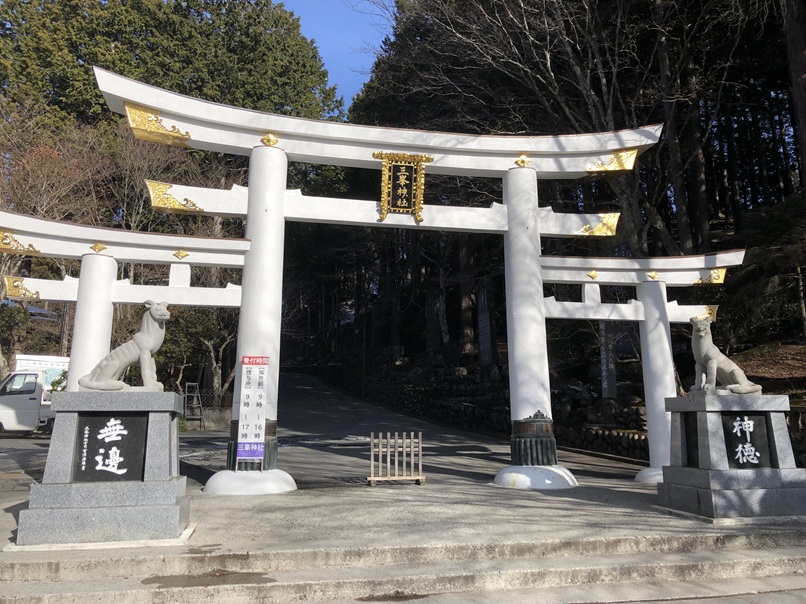
The torii gate marks the boundary between:
👉 the everyday world
👉 and sacred space
Before entering:
- pause briefly
- make a small bow
👉 Then walk:
👉 slightly to the side—not the center
👉 Why?
👉 The center path is believed to be for the kami
👉 Enter calmly—not rushing
💧 Step 2: Purify Yourself (Temizuya)
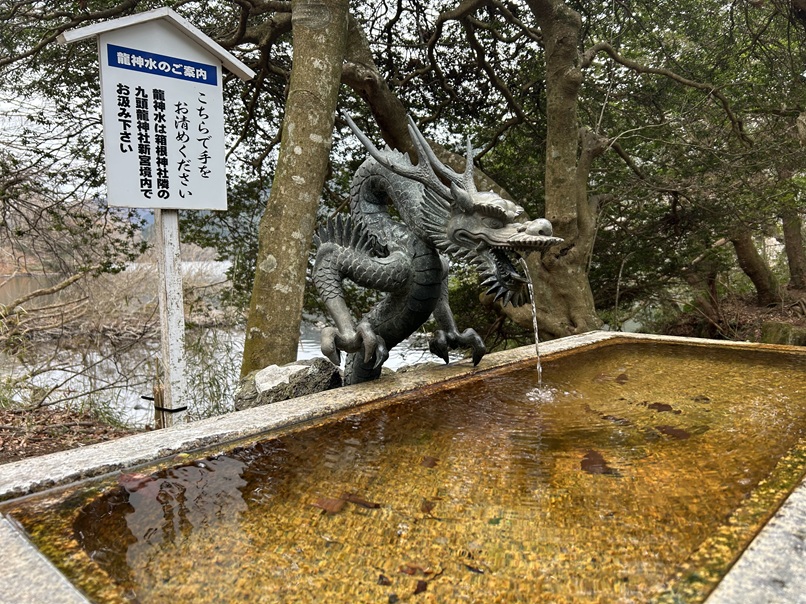
At the entrance, you’ll find a temizuya (purification fountain).
👉 This is not about cleanliness—
👉 it’s about symbolic purification
✔ Steps
- Rinse your left hand
- Rinse your right hand
- Pour water into your left hand and rinse your mouth
- Rinse your left hand again
- Clean the ladle handle
👉 Take your time
👉 This prepares your mindset
🏯 Step 3: Approach the Main Hall
As you walk:
- keep your voice low
- avoid eating
- respect others
👉 Shrines are quiet places
👉 Small actions matter
🙏 Step 4: How to Pray (2-2-1 Rule)
At the main hall:
✔ Standard method
- Toss a coin (5-yen is lucky, but any is fine)
- Ring the bell (if present)
- Bow twice
- Clap twice
- Pray silently
- Bow once
👉 Known as:
👉 “2 bows, 2 claps, 1 bow”
👉 Don’t worry about perfection
👉 Sincerity matters most
⚠️ Step 5: Common Mistakes
Avoid:
- walking in the center path
- loud talking or photos
- touching sacred objects
- eating while walking
- treating it like a theme park
👉 Respect matters more than perfection
🖋 Step 6: Try Goshuin
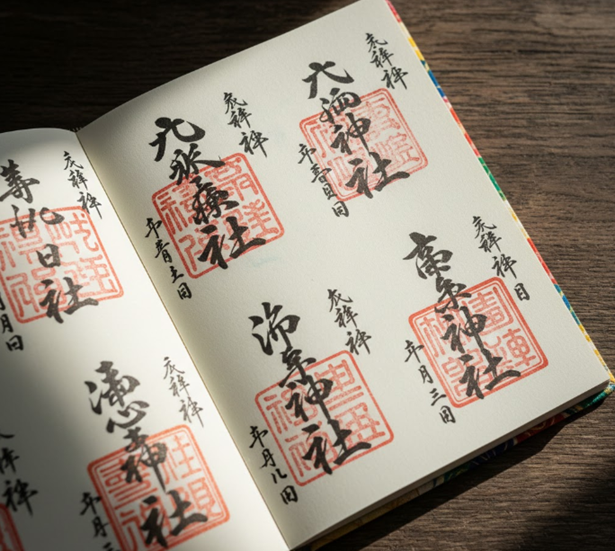
A goshuin is:
👉 a handwritten calligraphy stamp
👉 It represents:
👉 proof of your visit
✔ How to get one
- bring a goshuin book
- visit the shrine office
- present it politely
👉 It’s more than a souvenir
👉 👉 it’s a spiritual keepsake
🧠 Step 7: The Deeper Meaning
Shrine visits are not just rituals.
👉 They reflect:
- respect for space
- connection to nature
- awareness of others
👉 Even if you’re not religious:
👉 slowing down changes the experience
🇯🇵 Conclusion
You don’t need to memorize everything.
👉 What matters is simple:
👉 be respectful, calm, and aware
👉 By following these steps:
- you avoid mistakes
- you understand the culture
👉 And most importantly:
👉 you experience Japan more deeply
👉 Take your time, observe quietly—
👉 and enjoy one of Japan’s most peaceful traditions.
🔥Discover more about Japan
・Japan Train Etiquette: 10 Essential Rules for Public Transport (2026 Guide)
・Tipping in Japan: Why You Don’t Need to Tip (And What to Do Instead)