
🌏 Introduction
When people around the world think of Japanese food, the first images are often familiar ones such as sushi, ramen, tempura, and fresh seafood. That makes perfect sense. Japan is an island nation, and seafood has played an important role in its food culture for centuries. Because of that, many visitors naturally assume that Japanese cuisine is mainly shaped by the ocean.
But there is another side to Japanese food culture that receives much less international attention. That side comes not from the sea, but from the mountains.
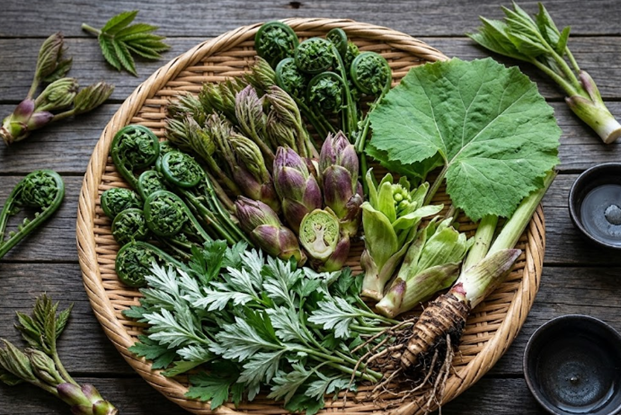
This world is called sansai (山菜), often translated as wild mountain vegetables.
Sansai is not the kind of food that usually appears in travel advertisements or international restaurant marketing. It does not have the instant visual impact of sushi, and it is rarely the main reason someone decides to visit Japan. In fact, it often appears quietly as part of a larger meal rather than standing proudly at the center.
And yet, for many people in Japan, sansai is deeply loved.
I am definitely one of them.
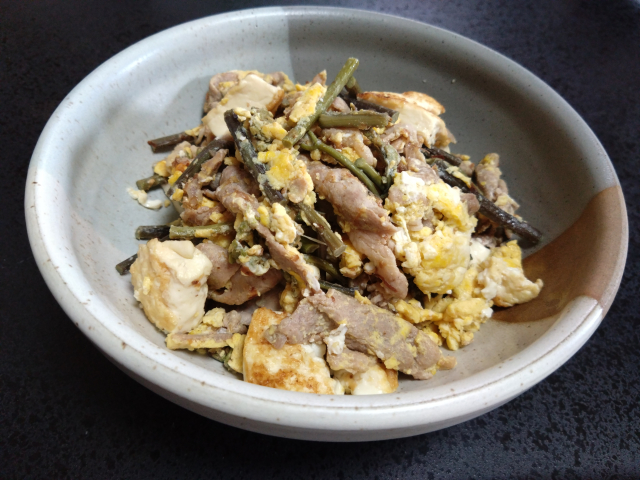
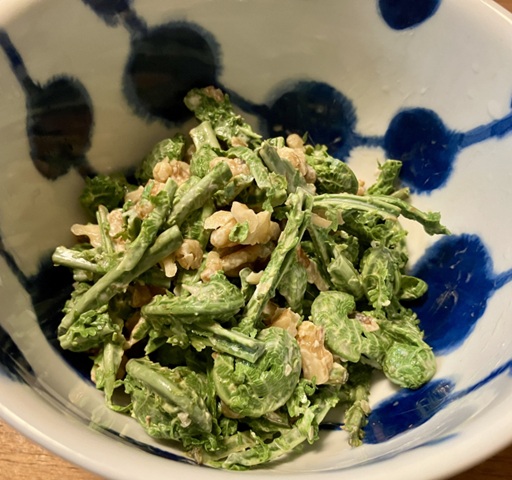
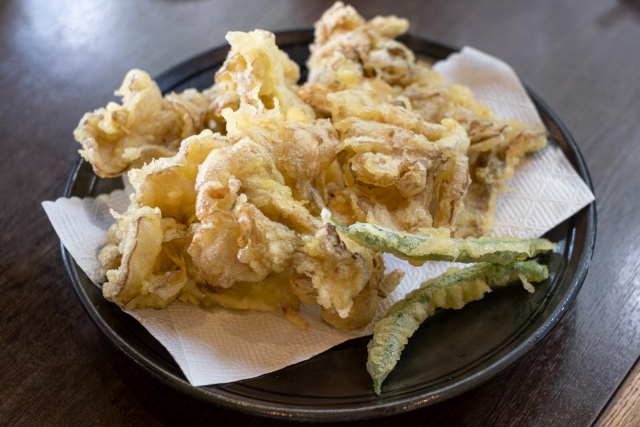
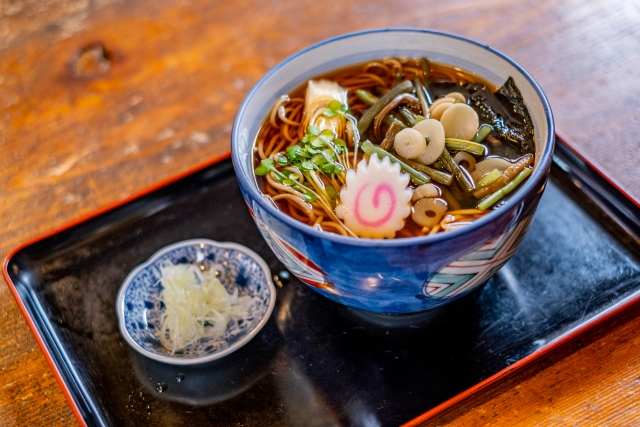
Every year, when the season arrives, I start craving that very specific flavor. I love sansai tempura, where a crisp light batter surrounds a slightly bitter mountain vegetable with a flavor that somehow feels both fresh and earthy at the same time. I also enjoy sansai as a small side dish, lightly seasoned, or served on top of soba and udon, where it quietly transforms the mood of the entire meal.
Sansai may not be the star of Japanese cuisine, but in some ways, it reveals something deeper about how food is experienced in Japan.
🎯 Quick Answer
Sansai are wild mountain vegetables traditionally enjoyed in Japan, especially during spring and early summer. They are loved not because they are luxurious or internationally famous, but because they reflect seasonality, natural flavors, and a long relationship between everyday life and the surrounding landscape.
For many people in Japan, sansai is not tourist food. It is a familiar seasonal pleasure that quietly signals the changing of the year.
In some regions, gathering sansai has also been part of seasonal family traditions.
🌿 What Exactly Is Sansai?
The word sansai literally means “mountain vegetables,” but that translation does not tell the full story. Sansai are not simply vegetables grown on mountain farms. Traditionally, the word refers to edible wild plants gathered from natural environments.
Common examples include warabi, zenmai, fukinoto, tara no me, and kogomi. Each has its own personality. Some are tender and mild, while others are more aromatic or noticeably bitter. For someone trying them for the first time, the flavors can be surprising because they often feel very different from vegetables specifically grown for sweetness or broad appeal.
That distinctive taste is exactly why many people love them.
Sansai does not always try to impress immediately. It is the kind of food that can grow on you slowly. The first bite may feel unusual. The second may feel interesting. By the third, you may find yourself beginning to understand why people wait for the season every year.
🏔️ A Different Side of Japanese Food Culture
Internationally, Japanese food is strongly associated with seafood, and understandably so. But Japan is also a country defined by mountains. Much of the land is covered with forests and mountainous terrain, and for generations, people built food traditions around what nature offered locally.
Sansai reflects that relationship.
It reminds us that Japanese cuisine is not only about fish markets, sushi counters, and coastal ingredients. It is also about forests, seasonal plants, local knowledge, and ingredients that appear only for a short time each year.
That is one reason sansai feels meaningful.
It reflects a side of Japanese food culture that is quieter, less commercial, and more connected to landscape.
This does not make it better than other food traditions. It simply shows a different part of how people have historically lived with the natural environment around them.
🌸 Why Spring Matters
Seasonality is one of the most important parts of the sansai experience.
For many varieties, the most anticipated season arrives in spring and early summer, especially around May and June depending on the region. After the colder months, the appearance of fresh mountain vegetables feels like a clear sign that the year is changing.
That emotional connection matters.
In Japan, food is often tied closely to the seasons. People do not only eat based on convenience or hunger. Certain ingredients carry emotional meaning because they belong to a specific moment in the year.
Sansai is one of those ingredients.
Its slightly bitter flavor, which may surprise some first-time eaters, can actually feel refreshing after winter. Rather than offering comforting richness, sansai often brings freshness, sharpness, and something that feels a little wild.
That seasonal character is part of what makes it memorable.
🍤 Why People Love the Taste
If you are used to vegetables that are mild, sweet, or easy to enjoy instantly, sansai may surprise you.
Some varieties have a noticeable bitterness. Others feel earthy or aromatic in ways that are less familiar to international visitors. It is not the kind of flavor profile designed to please everyone immediately.
And yet that is exactly where its appeal lies.
Not every beloved food needs to be rich or comforting in an obvious way. Some foods become special because they offer complexity rather than simplicity.
For me, sansai tempura is one of the best examples of this. The crisp batter softens the bitterness just enough while still allowing the unique flavor of the plant to come through. But tempura is only one way to enjoy it. Sansai also works beautifully in lightly dressed side dishes or served with soba and udon, where its presence changes the feeling of the meal without overwhelming it.
That balance is part of its charm.
🍜 Often a Supporting Role, Never Forgettable
One of the most interesting things about sansai is that it rarely tries to dominate a meal.
Unlike ramen, which clearly takes center stage, or sushi, which often becomes the focus of the experience, sansai usually appears in a supporting role. It might be part of a seasonal tempura plate, a topping for noodles, or a small side dish alongside the main meal.
But supporting roles can be powerful.
Sometimes one ingredient changes the entire emotional tone of a meal. Sansai often does exactly that.
Its role may be quiet, but its impact is not small.
That may be one reason it remains so memorable for people who love it.
🌏 Why This Helps You Understand Japan
Understanding sansai offers a useful window into Japanese food culture because it reflects several larger themes at once.
It shows the importance of seasonal awareness. It reflects an appreciation for subtle flavors that are not designed for immediate universal appeal. It reveals a connection between food and local geography. And it reminds us that some of the most meaningful parts of a food culture are not always the most famous ones.
This does not mean Japan is unique in valuing wild seasonal foods. Many cultures around the world have traditions built around foraged ingredients or foods connected to seasonal change.
But sansai is a particularly clear example of how these ideas remain part of everyday food culture in Japan.
It is not simply historical tradition preserved in museums.
It is still something people genuinely enjoy.
🇯🇵 Conclusion
Sansai may never become the most internationally famous Japanese food, and that is perfectly fine.
Not every important food tradition needs global recognition.
Sometimes the quieter ingredients tell you more about a culture than the famous stars.
For me, sansai is one of those foods. It may not be the main event, but its presence changes everything. That slightly bitter, earthy flavor somehow feels like spring itself.
And perhaps every culture has foods like that—ingredients that visitors may overlook, but locals wait for every year.
Is there a seasonal food in your country that people look forward to each year, even if outsiders rarely notice it? It would be fascinating to hear what flavors mark the seasons where you live.
🔗Explore more of Japan
👉 What Is Kakuchi? Japan’s Hidden Standing Bar Culture Inside Liquor Stores (2026 Guide)
👉 What Is Kakuchi? Japan’s Hidden Standing Bar Culture Inside Liquor Stores (2026 Guide)
👉 Why Do Japanese People Care So Much About Seasonal Foods? (2026 Guide)
👉 Why Does Japanese Food Come With Rice, Soup, and Side Dishes? (2026 Guide)
👉 Why Is Japanese Food Presentation So Beautiful? (2026 Guide)
👉 Why Are Japanese Convenience Store Desserts So Popular? A Sweet Part of Everyday Life (2026 Guide)
👉 What Is an Izakaya? Japan’s Casual Drinking & Food Culture Explained (2026 Guide)