
🧠 Introduction
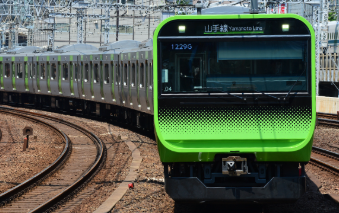
Step onto a train in Japan, and you may notice something unusual.
👉 No loud conversations
👉 No phone calls
👉 Almost complete silence
Even during rush hour:
👉 hundreds of people—quiet
👉 Why?
In many countries, trains are noisy.
👉 But in Japan:
👉 silence is the norm
👉 And surprisingly—
👉 it’s not enforced by strict rules.
🎯 Quick Answer
Japanese trains are quiet because of:
- respect for others
- awareness of shared space
- cultural emphasis on harmony
👉 In simple terms:
👉 people choose not to disturb others
🧩 1. It’s Not a Rule—It’s a Shared Understanding
There are signs on trains:
👉 “Please set your phone to silent mode”
But beyond that:
👉 there are very few strict rules
👉 Yet everyone behaves similarly
👉 Why?
👉 Because trains are seen as:
👉 shared public space
👉 And in shared spaces:
👉 behavior adjusts naturally
🤝 2. The Culture of Harmony (“Wa”)
In Japan:
👉 maintaining harmony is essential
👉 This means:
- not standing out unnecessarily
- not disturbing others
- adjusting behavior to the group
👉 On trains:
👉 silence helps maintain that balance
👉 Noise = disruption
👉 👉 This idea is deeply rooted in society
📱 3. Phones Are Always Silent
One of the most noticeable rules:
👉 no phone calls
- phones are on silent (“manner mode”)
- texting is fine
- calls are avoided
👉 Talking on the phone is considered disruptive
👉 Even without enforcement:
👉 people follow it
🧠 4. “Don’t Disturb Others” Mindset
A core idea in Japan:
👉 “Do not cause trouble to others”
This affects everyday behavior:
- speaking quietly
- respecting personal space
- avoiding unnecessary noise
👉 This mindset is taught early and widely practiced
👉 👉 On trains:
👉 silence becomes natural
🚆 5. Silence Creates Comfort
Silence is not uncomfortable in Japan.
👉 It creates:
- calm
- predictability
- low stress
👉 Many people use trains to:
- rest
- think
- relax
👉 A quiet environment supports that
⚖️ 6. It’s Not Absolute Silence
Important point:
👉 trains are not completely silent
- people may speak quietly
- small conversations happen
👉 The key is:
👉 volume and awareness
👉 Loud behavior is considered rude
👉 👉 It’s about balance—not perfection
🧭 7. What Travelers Should Do
If you ride a train in Japan:
👉 Simple guidelines:
- keep your voice low
- avoid phone calls
- use headphones
- be aware of others
👉 You don’t need to be perfect
👉 just follow the atmosphere
🇯🇵 Conclusion
Japanese trains are quiet not because of strict enforcement—
👉 but because of shared values
👉 respect
👉 awareness
👉 harmony
👉 This creates:
👉 one of the calmest public transport experiences in the world
👉 When you experience it:
👉 you realize something important—
👉 silence is not emptiness
👉 👉 it is consideration
🔥Go deeper into Japan
・How to Use Trains in Japan: IC Cards, Shinkansen, and JR Pass Explained
・Tipping in Japan: Why You Don’t Need to Tip (And What to Do Instead)