

🌏 Introduction
One of the first things many visitors notice in Japan is how precisely things seem to run on time.
Trains arrive when the timetable says they will. Meetings begin at the scheduled hour. School classes start on time. Deliveries often arrive within surprisingly narrow time windows. Even social gatherings frequently begin exactly when they are supposed to.
To many Japanese people, this feels normal.
To many visitors, it feels remarkable.
The most famous example is probably the railway system. Whether riding the Yamanote Line in Tokyo or traveling across the country on the Shinkansen, people often expect trains to arrive almost exactly when scheduled. Delays are usually measured in minutes rather than hours, and when significant delays occur, they often become news.
But the interesting question is not why trains run on time.
The more interesting question is why Japanese people care so much about punctuality in the first place.
The answer goes far beyond transportation.
Understanding Japan’s relationship with time helps explain how schools operate, how businesses function, how social interactions work, and why trust plays such an important role in everyday life.
🎯 Quick Answer
Japan values punctuality because time is often viewed as something shared with other people. Being on time is not only about efficiency. It is also about showing respect, avoiding inconvenience for others, and maintaining trust. This mindset influences everything from trains and schools to workplaces and social gatherings.
🚆 Trains Are the Most Visible Example
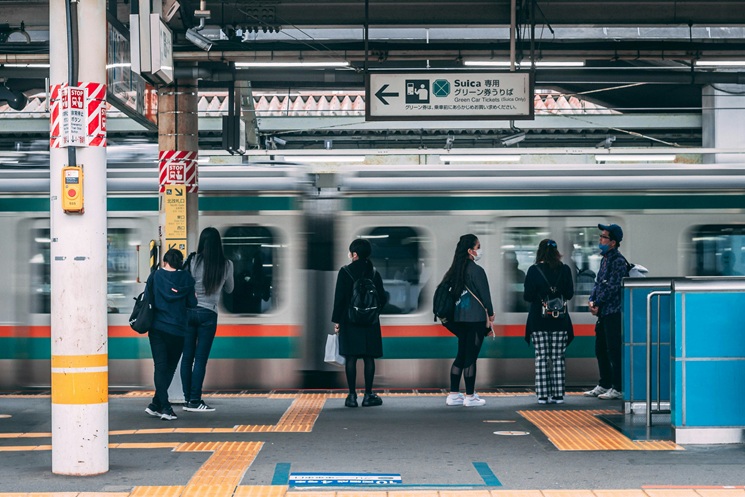
When people think about punctuality in Japan, trains usually come to mind first.
The reason is simple. Millions of people rely on trains every day, making them one of the most visible examples of how Japanese society values time.
A train schedule in Japan is often treated as something reliable rather than merely approximate. People plan transfers based on it. They decide when to leave home based on it. They coordinate meetings and appointments around it.
This creates a powerful cycle of trust.
Passengers trust that trains will arrive when expected, and transportation companies work hard to maintain that trust. The result is a system that many visitors find surprisingly dependable.
What makes this interesting is that most Japanese people do not think of punctual trains as extraordinary. They simply think of them as normal.
That expectation reveals something deeper about the culture itself.
⏰ Punctuality Starts Long Before Adulthood
The importance of being on time is usually introduced at an early age.
School provides one of the clearest examples.
Classes begin at specific times. School ceremonies start on schedule. Club activities have designated starting times. Students learn early that arriving late affects not only themselves but also the group.
As people grow older, the same expectation continues in different environments. Meetings begin at their scheduled time. Appointments are expected to start when promised. Workplaces often emphasize preparation before a meeting begins rather than arriving exactly at the scheduled moment.
This helps explain why many Japanese people are familiar with the idea of arriving five or even ten minutes early.
There is a common expression in Japan that roughly encourages people to act a few minutes before they actually need to. The goal is not perfection. The goal is to avoid making others wait.
Over time, this becomes less of a rule and more of a habit.
🤝 Time Is Not Just Personal
One reason punctuality carries so much importance in Japan is that time is often viewed as something shared.
In many situations, being late is not considered only a personal issue. It can affect other people as well.
If a meeting starts late because one person arrives late, everyone else must wait. If a train runs late, thousands of passengers may need to adjust their plans. If a group activity begins behind schedule, the entire group may be affected.
Because of this, punctuality is often connected to consideration for others.
The idea is not simply, “I should be on time.”
The idea is closer to, “I should not make other people lose their time.”
That difference may sound small, but it helps explain why punctuality is often associated with respect.
🌏 Different Cultures Think About Time Differently
One of the most interesting things about punctuality is that there is no universal standard.
Different cultures understand time in different ways.
In some countries, arriving exactly at the stated time for a social gathering may feel too early because the host is still preparing. In others, arriving a little later can be viewed as relaxed, friendly, or completely normal.
Japan tends to fall on the opposite end of the spectrum.
For many Japanese people, the announced starting time is usually understood as the time the event actually begins, not the time people start arriving.
Neither approach is necessarily better.
They simply reflect different cultural expectations.
Visitors sometimes assume punctuality is a matter of discipline, but it is often more accurate to think of it as a shared social agreement. People behave according to what others around them expect.
Understanding those expectations helps avoid misunderstandings.
🚄 Why Punctuality Creates Trust
The relationship between punctuality and trust may be the most important part of this story.
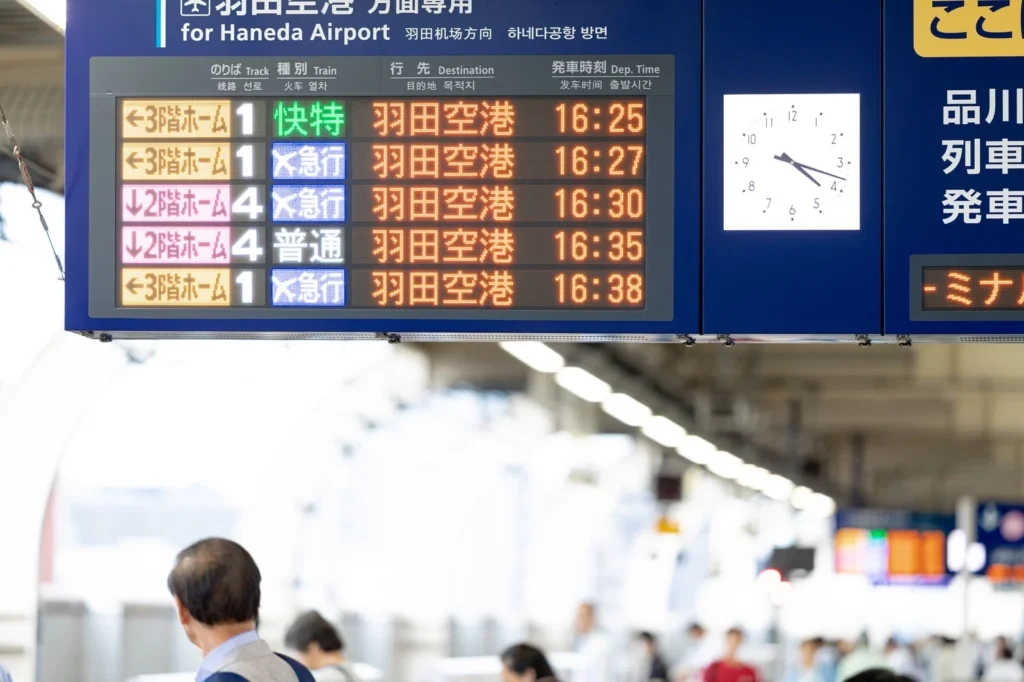
Imagine planning your day around a train that may arrive at any time within the next thirty minutes. Most people would naturally build extra flexibility into their schedule.
Now imagine planning your day around a train that almost always arrives when expected.
The second situation allows people to make plans with confidence.
That confidence gradually becomes trust.
The same principle applies outside transportation. When meetings begin as scheduled, people trust the schedule. When appointments happen on time, people trust the system. When promises about time are consistently kept, trust becomes part of everyday life.
This does not mean everything in Japan is perfectly punctual. Delays happen. Unexpected situations occur. People make mistakes.
But the expectation itself remains important.
The goal is not perfection.
The goal is reliability.
🌏 Why This Helps You Understand Japan
Many visitors notice punctual trains and assume the story ends there.
In reality, trains are only the visible part.
Underneath them is a broader cultural idea that values predictability, consideration, and trust.
Being on time is often less about the clock itself and more about the people affected by it.
This helps explain why schools begin on schedule, why meetings often start promptly, and why many people prefer arriving a little early rather than risking being late.
The railway system may be famous for punctuality, but it reflects a mindset that appears throughout Japanese society.
🇯🇵 Conclusion
Japanese trains are famous for arriving on time, but punctuality in Japan is about much more than transportation.
For many people, being on time represents respect for others, consideration for shared schedules, and a desire to avoid causing inconvenience. Over time, these habits help create something larger: trust.
When people trust schedules, they can plan confidently. When they can plan confidently, daily life becomes more predictable. And when millions of people share those expectations, punctuality becomes part of the culture itself.
That is why punctual trains are not simply a transportation achievement.
They are also a reflection of how Japanese society thinks about time.
How is punctuality viewed in your country? Is arriving exactly on time expected, or is there more flexibility? I’d love to hear about different cultural perspectives on time.
🔗Go deeper into Japan
・How to Get from Haneda & Narita Airport to Tokyo (Best Routes by Area)
・How to Use the Shinkansen in Japan: Tickets, JR Pass, Seats & Luggage (2026 Guide)
・Why Are Nights in Japan So Safe and Slightly “Blue”? The Hidden Cultural Logic (2026 Guide)