
🌏 Introduction
Many visitors come to Japan expecting great sushi, ramen, tempura, and wagashi. Few arrive expecting to be impressed by convenience store desserts. Yet for many travelers, one of the most memorable food discoveries in Japan happens not in a famous restaurant or a luxury department store, but inside a convenience store.
At first, this seems surprising. In many countries, convenience stores are places where people buy snacks, drinks, and basic necessities. Desserts are often an afterthought. They may be convenient, but they are rarely something people actively seek out.
Japan is a little different.
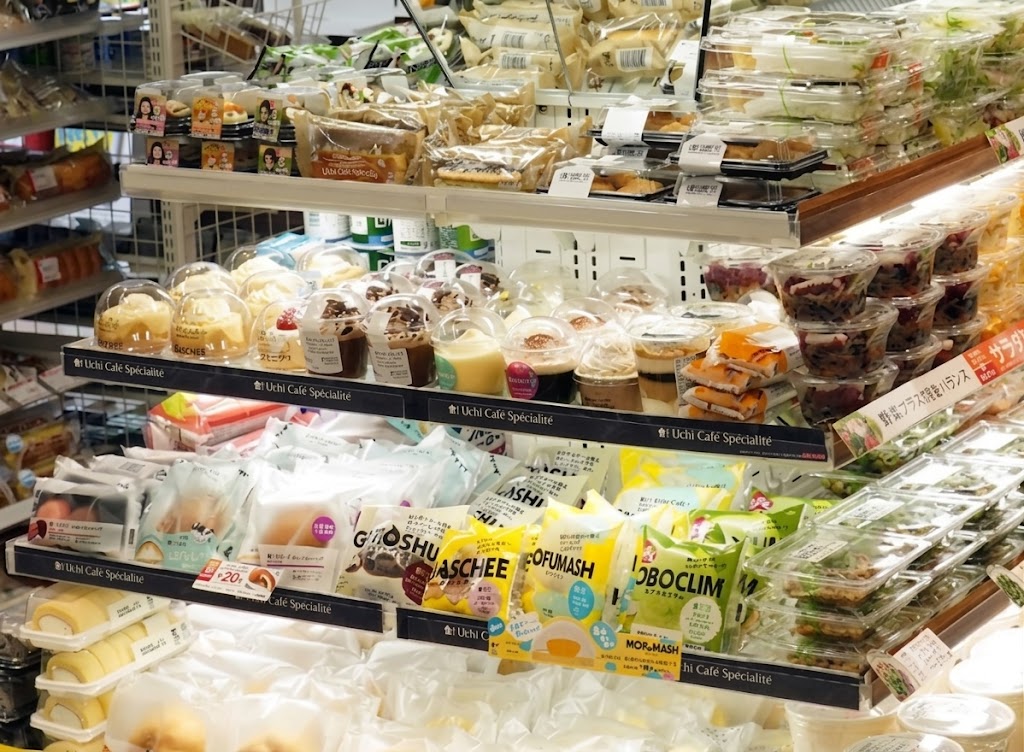
Walk into almost any convenience store in Japan and you will find a refrigerated dessert section filled with beautifully packaged sweets. Cream-filled cakes, puddings, cheesecakes, parfaits, roll cakes, fruit-based desserts, and seasonal specialties are displayed with the same care that some stores in other countries reserve for premium products.
Over time, these desserts have become more than just snacks. They have become part of everyday life.
I did not fully appreciate this until I spent years living overseas. While living abroad, there were many foods from Japan that I occasionally missed. Surprisingly, convenience store desserts were among them.
This was not because other countries lacked good desserts. Quite the opposite.
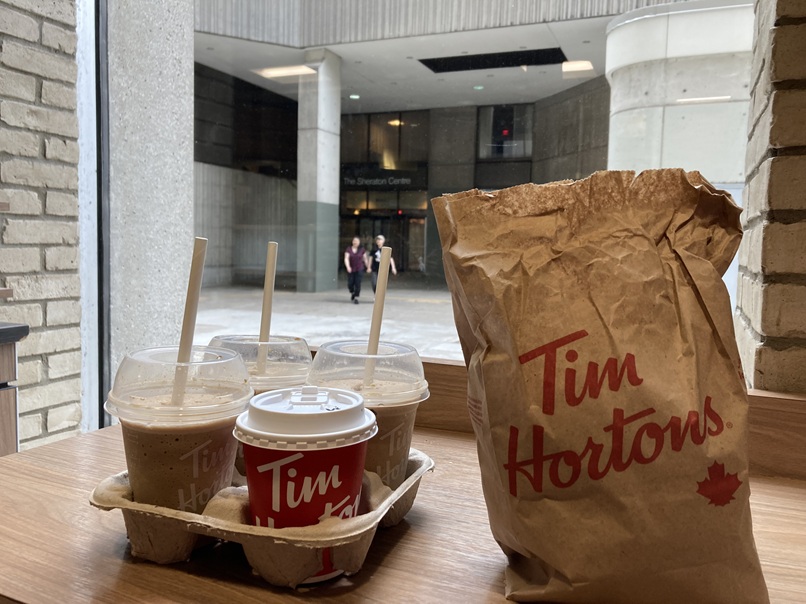
I love Tim Hortons’ Honey Cruller Donut. I am also a fan of their Caramel Churro Iced Capp. Five Guys makes an Oreo Cookies Shake that I would happily order anytime. Whole Foods Market sells éclairs that I genuinely enjoy.
The issue was never that foreign desserts were bad.
What I missed was something different.
I missed the variety, the seasonality, and the constant sense of discovery that Japanese convenience store desserts provide.
🍰 More Than Just a Cheap Snack
One reason Japanese convenience store desserts have become so popular is that they are no longer viewed as low-quality alternatives to bakery products or specialty sweets.
In many countries, convenience often implies compromise. You buy something because it is quick, not because it is exceptional.
Japan’s convenience stores gradually challenged that assumption.
Over the years, major chains such as Seven-Eleven, FamilyMart, and Lawson invested heavily in food development. They worked with pastry chefs, food manufacturers, and product developers to create desserts that could compete with products sold in dedicated dessert shops.
The result is that many people in Japan no longer think of convenience store desserts as emergency purchases.
They buy them because they genuinely want them.
Someone may stop at a convenience store after work specifically to pick up a dessert. Families may buy seasonal sweets together. Students may reward themselves after exams. Office workers may add a dessert to their lunch simply because a new product has appeared.
The convenience store dessert section has become a destination rather than an afterthought.
🌸 The Secret Ingredient Is Seasonality
One of the things I missed most while living abroad was Japan’s obsession with seasonal products.
Seasonality appears throughout Japanese culture. It appears in traditional foods, festivals, decorations, flowers, and even clothing. Convenience store desserts are no exception.
Walk into a convenience store in spring and you may find strawberry desserts, cherry blossom-inspired sweets, and seasonal cream cakes. Summer often brings peach desserts, citrus flavors, and refreshing jelly-based products. Autumn introduces chestnuts, sweet potatoes, and pumpkin-inspired treats. Winter brings richer flavors, chocolate-based desserts, and holiday-themed products.
This constant change keeps people interested.
Even if you visit the same convenience store every week, the dessert section rarely feels exactly the same.
There is always something new.
There is always something temporary.
There is always a product that may disappear in a few weeks.
That sense of limited availability creates excitement.
People are not simply buying dessert.
They are participating in the season.
🏪 Every Convenience Store Has Its Own Personality
Another reason these desserts remain popular is that each convenience store chain develops its own identity.
Visitors sometimes assume all Japanese convenience stores are basically the same. In reality, regular customers often have strong opinions.
Some people prefer the desserts sold at Seven-Eleven. Others swear by Lawson. Others prefer FamilyMart.
Part of the fun comes from comparison.
A new cheesecake at one chain may generate discussion online. A seasonal roll cake at another chain may attract loyal fans. Limited-time collaborations regularly create excitement among customers.
As a result, convenience store desserts become something people talk about.
Friends recommend products to each other.
Families compare new releases.
Social media users post photos of seasonal finds.
The experience becomes surprisingly interactive.
😋 Small Luxuries Matter
Another reason convenience store desserts are successful is that they fit naturally into everyday life.
Most people do not visit a specialty dessert shop every day.
They do not buy elaborate cakes every week.
But many people are willing to spend a small amount on a sweet treat that makes an ordinary day a little more enjoyable.
Convenience store desserts occupy that space perfectly.
They are affordable enough to feel casual but good enough to feel rewarding.
After a difficult day at work, a favorite dessert can feel comforting. After finishing a project, a small sweet treat can feel like a reward. During a busy week, trying a new seasonal dessert can provide a surprisingly enjoyable break.
The products themselves may be simple.
The role they play in everyday life is not.
🌏 What Living Abroad Taught Me
Living overseas changed how I viewed Japanese convenience store desserts.
When you live in Japan, it is easy to take them for granted.
You assume they will always be available.
You assume every convenience store will have something interesting.
You assume seasonal products will keep appearing throughout the year.
Only after leaving Japan do you realize how unusual that combination really is.
Again, this does not mean other countries lack good desserts. I enjoyed many desserts while living abroad and still do whenever I travel.
The difference is that those desserts usually come from specific restaurants, coffee shops, bakeries, or specialty stores.
Japan’s convenience stores manage to offer quality, variety, affordability, and seasonality in a place designed primarily for everyday convenience.
That combination is surprisingly rare.
🇯🇵 A Reflection of Everyday Food Culture
In many ways, convenience store desserts reflect broader aspects of Japanese food culture.
Japanese consumers tend to appreciate seasonal ingredients. They often enjoy trying limited-time products. Presentation matters. Texture matters. Balance matters. Even small purchases are expected to provide a satisfying experience.
Convenience stores respond to these expectations.
Rather than offering the same desserts year after year, they continually develop new products. Rather than focusing only on quantity, they pay attention to flavor and presentation. Rather than treating desserts as secondary products, they often place them at the center of promotional campaigns.
The result is a category of food that has become uniquely important within modern Japanese life.
🎯 Conclusion
Why are Japanese convenience store desserts so popular?
The answer goes far beyond sweetness.
Their popularity comes from a combination of quality, affordability, seasonal variety, constant innovation, and their ability to fit naturally into everyday life. They offer small moments of enjoyment without requiring a special occasion.
My years living overseas taught me that good desserts can be found almost anywhere in the world. I still enjoy a Honey Cruller Donut from Tim Hortons, an Oreo Cookies Shake from Five Guys, or an éclair from Whole Foods Market whenever I have the chance.
Yet I still find myself missing Japanese convenience store desserts from time to time.
Not because they are the only good desserts in the world, but because they offer something uniquely Japanese: the feeling that even a quick stop at a convenience store can bring a small seasonal discovery and a little bit of joy.
🌏 Explore More Japanese Food Culture
Japanese convenience store desserts are only one part of Japan’s fascinating food culture. If you enjoyed this article, explore these guides to discover more everyday foods that locals and travelers love.
👉What Is Kakuchi? Japan’s Hidden Standing Bar Culture Inside Liquor Stores (2026 Guide)
👉The Day Japan Eats Unagi: A Summer Tradition Explained (2026 Guide)
👉Why Do Japanese People Care So Much About Seasonal Foods? (2026 Guide)
👉Why Does Japanese Food Come With Rice, Soup, and Side Dishes? (2026 Guide)
👉Why Is Japanese Food Presentation So Beautiful? (2026 Guide)
👉What Is an Izakaya? Japan’s Casual Drinking & Food Culture Explained (2026 Guide)
👉Ekiben in Japan: Why Bento on Trains Is Special (Where You Can Eat It)
👉Wagashi in Japan: The Edible Art of Seasons, History, and Culture (2026 Guide)