
🌏 Introduction
Many countries experience changing seasons.
So Japan is not unique in simply having spring, summer, autumn, and winter.
And yet, many visitors notice something different.
In Japan, seasonal change seems unusually present in everyday life.
People talk about the weather constantly.
Foods change with the season.
Convenience stores release seasonal products.
Television follows the seasonal calendar.
Schools, traditions, and events often move with the rhythm of the year.
Even emotional memories are often connected to specific times of year.
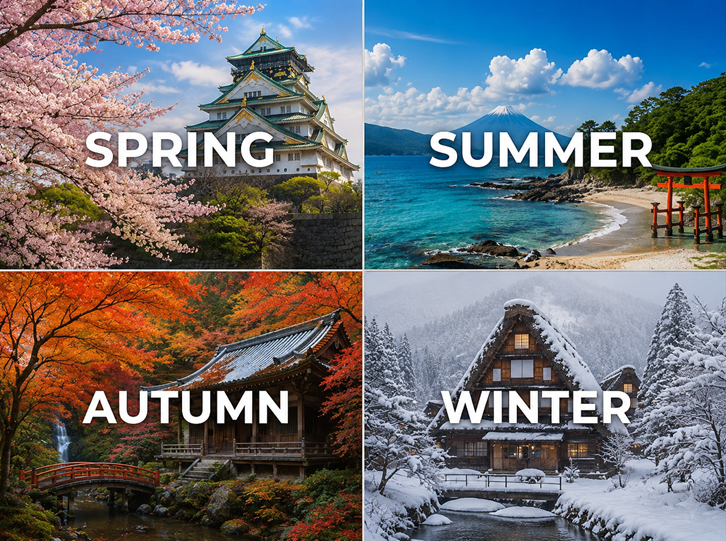
Cherry blossoms are not just flowers.
Rainy season is not just weather.
Autumn leaves are not simply scenery.
Seasonal change often carries emotional meaning.
So why does it feel so deeply woven into life in Japan?
🎯 Quick Answer
Seasonal awareness in Japan is strongly reflected in daily life, traditions, food, language, and emotional memory.
The seasons are not simply background weather.
They often help shape how people organize life, celebrate events, and remember experiences.
🌸 1. The Seasons Are Part of Everyday Conversation
In some places, weather is simply practical information.
In Japan, it often becomes social conversation.
People naturally comment on:
the first cherry blossoms
the humidity of rainy season
the arrival of autumn air
the first cold morning of winter
This is not necessarily because weather is more dramatic.
It is because seasonal change is culturally noticed.
Even casual conversation often reflects awareness of subtle changes.
🍱 2. Food Changes with the Seasons
One of the clearest examples is food.
Japanese food culture often emphasizes seasonality.
Certain foods feel strongly tied to certain times of year.
For example:
spring may bring lighter seasonal ingredients.
summer may bring cooling foods.
autumn often connects with harvest flavors.
winter brings warming dishes.
This does not mean people rigidly follow seasonal eating.
Modern life is flexible.
But seasonal awareness remains visible.
Even convenience stores constantly rotate products.
sakura-flavored drinks, autumn sweets, or summer cooling foods
That says something.
🏫 3. The School Year Moves with the Seasons
Seasonal awareness also appears in education.
School life itself follows the yearly rhythm.
New school years begin in spring.
Graduation happens as winter ends.
Sports days, school trips, ceremonies, and seasonal activities become attached to emotional memories.
This may be one reason so many Japanese memories feel seasonal.
People do not simply remember events.
They remember the weather, the atmosphere, and the time of year.
🌧️ 4. Even Difficult Seasons Matter
Seasonal appreciation does not only apply to pleasant weather.
Rainy season is a good example.
Few people would describe humidity as enjoyable.
And yet tsuyu is still recognized as a meaningful seasonal phase.
It signals transition.
Spring is ending.
Summer is coming.
Even uncomfortable weather becomes part of the annual emotional rhythm.
That is culturally interesting.
🍁 5. Seasonal Events Reinforce Awareness
Japan’s calendar is filled with seasonal events.
Examples include:
cherry blossom viewing in spring
summer festivals
autumn leaf viewing
New Year traditions in winter
These events reinforce awareness of time passing.
The year does not feel abstract.
It feels marked by visible transitions.
💭 6. Memory and Emotion
This may be one of the most interesting aspects.
Seasonal memory can feel emotional.
People often connect specific life memories with seasons.
For example:
school graduation and cold air
first love and cherry blossoms
summer fireworks with friends
autumn nostalgia
This is not uniquely Japanese.
But the cultural expression of seasonal memory feels especially visible in Japan.
Seasonal language in poetry, media, and daily conversation reinforces this.
📚 7. Language Reflects It Too
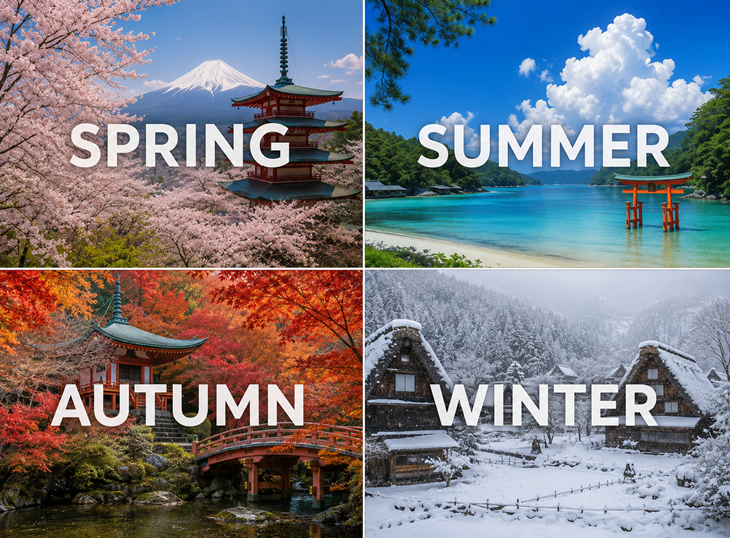
Japanese language contains many seasonal references.
Traditional Japanese poetry, especially haiku, has long used seasonal references as an essential creative element.
Greetings often change depending on the time of year.
Writing styles shift seasonally.
Traditional poetry historically emphasized seasonal imagery.
Even modern communication often reflects awareness of changing seasons.
Language helps keep that sensitivity alive.
🌍 8. Not Better—Just Different
The point is not that Japan appreciates seasons more correctly than other places.
Different cultures relate to nature differently.
Some places focus less on seasonal transitions because climate patterns are different.
Others express seasonal awareness in different ways.
But in Japan, seasonal change often remains highly visible in everyday life.
That visibility shapes culture.
🇯🇵 Conclusion
Japan’s relationship with the seasons is not simply about weather.
It is about rhythm.
Food changes.
Conversations change.
Events change.
Memories change.
The passing of time becomes easier to feel because it is constantly reflected in daily life.
That may be why the seasons in Japan often feel less like background conditions—and more like part of the emotional landscape.
How strongly do the seasons shape life where you live? Are they just weather, or do they carry memories and meaning too?
🔗Discover the deeper side of Japan
・Why Is Japanese Sports Day Such a Powerful Childhood Memory? Understanding Undokai
・What Is a Japanese School Trip? Why Shūgaku Ryokō Becomes a Lifetime Memory
・Essential Travel Tools for Japan: Everything You Need for a Smooth Trip (2026 Guide)