
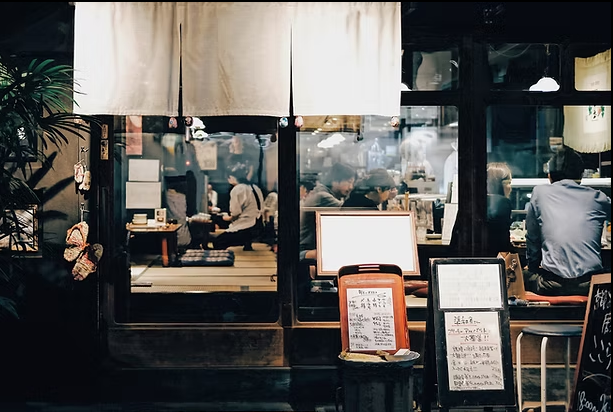
🧠 Introduction
If you dine at a restaurant in Japan for the first time, you may notice something unusual.
The staff do not come to your table very often.
In many Western countries, waiters regularly check on customers. They ask if everything is okay, refill drinks, and sometimes return multiple times during the meal.
In Japan, the experience is different.
You may sit at your table, ready to order, and wait—only to realize that no one is coming.
👉 This is not poor service. It is a different system.
🎯 Quick Answer
In Japan, it is normal and acceptable to call a waiter.
Staff usually do not come unless needed, so customers are expected to signal when they are ready.
👉 Service is designed to respond to you, not interrupt you.
🧩 1. Why Don’t Waiters Come Automatically?
The Japanese dining style prioritizes not disturbing the customer.
Rather than checking in frequently, staff give you space to enjoy your meal at your own pace. This means:
- no unnecessary interruptions
- no pressure to order quickly
- no repeated questions during your meal
From a Japanese perspective, this is a form of respect.
Good service is often quiet and efficient, not visible and constant.
This reflects a broader cultural value of respecting personal space and avoiding unnecessary disturbance.
🤝 2. Calling Staff Is Part of the System
In many countries, calling a waiter loudly may feel impolite. In Japan, it is completely normal.
The most common way is to say:
“Sumimasen” (Excuse me)
This is a polite way to get attention. It does not sound rude when used in this context.
You can simply say it clearly while making brief eye contact. A small hand gesture can also help.
👉 Calling staff is expected behavior, not bad manners.
🔔 3. Many Restaurants Have Call Buttons or Ordering Systems
In addition to calling out, many restaurants in Japan provide tools to make ordering easier.
These include:
- a call button (a small bell on the table)
- tablet-style ordering systems
- touch-screen menus
When you press the button, a signal is sent to the staff, and someone will come to your table.
Tablet systems allow you to order directly without speaking at all.
These systems are especially helpful for visitors who may feel unsure about language or timing.
👉 If a button or tablet is available, it is often the easiest option.
🍽 4. When Staff Will Come Without Being Called
Even though customers are expected to call staff, there are a few moments when staff usually approach the table.
These include:
- taking the initial order (in some restaurants)
- delivering food
- clearing finished dishes
Outside of these moments, staff may not return unless you ask.
👉 If you need anything else, it is your turn to call.
⚙️ 5. A System Built for Efficiency
This system is designed to work smoothly.
By letting customers call when needed:
- staff can serve more people efficiently
- service becomes faster when requested
- customers are not interrupted unnecessarily
It is a balance between independence and responsiveness.
🧠 6. Cultural Difference in Service Style
This difference reflects a deeper cultural approach to service.
In some countries, good service means being attentive and proactive.
In Japan, good service often means:
- not interfering
- being ready when needed
- responding quickly and precisely
Both approaches aim to provide comfort, but they achieve it in different ways.
👉 Understanding this difference makes the experience much easier.
🧭 7. What Travelers Should Do
If you are unsure how to act in a Japanese restaurant, there is a simple approach.
First, check your table:
- If there is a call button → use it
- If there is a tablet → order directly
If neither is available, don’t hesitate.
Call the staff by saying “sumimasen.”
👉 It may feel unfamiliar at first, but it is completely normal in Japan.
⚠️ 8. Common Mistakes to Avoid
Some visitors misunderstand the system and make small mistakes, such as:
- waiting too long for staff to come
- assuming service is slow
- feeling uncomfortable calling out
These are natural reactions, but once you understand the system, they are easy to avoid.
🇯🇵 Conclusion
In Japan, calling a waiter is not impolite—it is part of how the dining experience works.
Rather than constant attention, service is designed to respond when you need it.
This reflects a broader cultural idea: respecting space while remaining ready to help.
👉 Once you understand this system, dining in Japan becomes much more comfortable—and even enjoyable.
🔗Discover more about Japan
・Tipping in Japan: Why You Don’t Need to Tip (And What to Do Instead)
・How to Order Ramen in Japan (Like a Local): A Step-by-Step Guide (2026)
・Ohitorisama in Japan: Why Doing Things Alone Feels Comfortable (Not Lonely)