
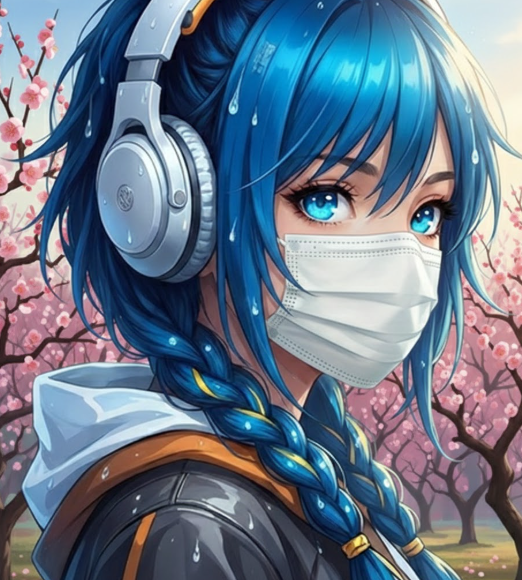
🧠 Introduction
If you visit Japan, one thing you will quickly notice is how many people wear masks in public. This is not limited to specific situations such as hospitals or flu outbreaks. Even on ordinary days, you will see people wearing masks on trains, in shops, and while walking through the city.
For many visitors, this raises a simple question.
👉 Why do people wear masks so often in Japan?
In many countries, masks are mainly associated with illness. In Japan, however, they have a broader and more nuanced meaning. Understanding this difference helps you better understand everyday life in Japan.
🎯 Quick Answer
People in Japan wear masks for several reasons, including preventing the spread of illness, protecting themselves from allergies, and showing consideration for others.
👉 In short, wearing a mask is often less about fear and more about awareness.
🧩 1. Preventing the Spread of Illness
One of the most important reasons for wearing masks in Japan is to avoid spreading illness to others. If someone feels unwell, it is common for them to wear a mask in public spaces.
This behavior is not usually enforced by strict rules. Instead, it reflects a widely shared mindset: people try to avoid causing inconvenience or harm to others.
In this context, wearing a mask is a small but meaningful action. It shows responsibility and respect toward the people around you.
🌿 2. Protection from Seasonal Allergies
Another major reason for mask use is seasonal allergies, especially during spring when pollen levels can be very high.
For many people in Japan, masks are simply a practical solution to reduce discomfort. During peak allergy seasons, it is normal to see a large percentage of the population wearing masks outdoors.
In this case, masks are less about social behavior and more about personal comfort and health.
🤝 3. A Sign of Consideration
Masks also function as a subtle social signal. Wearing one can indicate that a person is being cautious or mindful of others.
In Japan, people are often aware of how their behavior affects those around them. This awareness influences many aspects of daily life, from speaking quietly in public to following unspoken social rules.
👉 Wearing a mask fits naturally into this pattern of consideration.
😷 4. Not Always About Health
Interestingly, masks in Japan are not always related to illness or allergies. Some people wear them for reasons such as privacy, avoiding the need for makeup, or staying warm in colder weather.
Because of this, masks have become a normal part of everyday life rather than something unusual. Seeing someone wearing a mask does not automatically mean they are sick.
⚖️ 5. Is It Required?
In most situations today, wearing a mask in Japan is optional. There are generally no strict requirements, especially compared to the past.
However, in crowded environments such as trains or during peak travel times, wearing a mask may still be appreciated. It is less about obligation and more about social awareness.
“In Japan, wearing a mask is less about fear—and more about consideration.”
🧭 6. What Travelers Should Do
For visitors, the most important thing is not to worry too much. You are not expected to wear a mask at all times.
That said, there are situations where wearing one can be helpful or respectful. For example, if you feel unwell, if you are in a crowded train, or during allergy season, wearing a mask is a considerate choice.
👉 The key is simple: observe your surroundings and adjust accordingly.
🇯🇵 Conclusion
Wearing masks in Japan is not just about health. It reflects a broader cultural value centered on awareness, consideration, and respect for others.
What may seem unusual at first becomes easier to understand when you see it as part of a larger pattern of social behavior.
By understanding this small habit, you gain insight into how people in Japan share space and live together
🔗Go deeper into Japan
・Why Do Japanese People Value Harmony So Much? The Hidden Logic of “Wa”
・Why Are Japanese Trains So Quiet? The Unspoken Rules Behind the Silence
If you’re planning your trip to Japan, understanding small cultural habits like this can make your experience much smoother.
You can find all essential travel tips here:
👉 Essential Travel Guide for Japan