
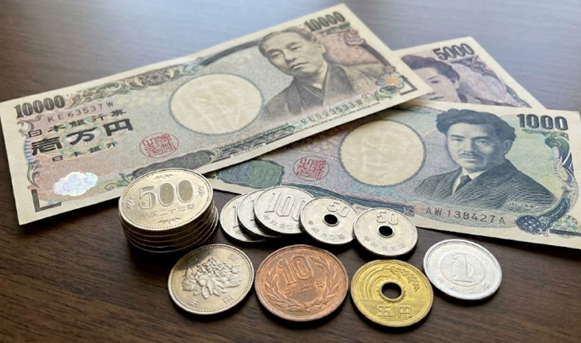
🧠 Introduction
Japan is known for advanced technology—fast trains, robotics, and smart cities.
But when it comes to payments, things can feel surprisingly old-fashioned.
👉 You might expect everything to be cashless.
👉 But in reality, cash is still widely used in Japan.
“Japan is a unique mix of cash-based traditions and modern cashless systems.”
🎯 Quick Answer
👉 Yes—you still need some cash in Japan.
“Japan is a mix of high-tech systems and traditional habits—especially when it comes to payments.”
While many places accept cards and digital payments:
👉 cash is essential in certain situations
Cash vs Credit Card vs IC Card
| Payment Method | Availability | Convenience | Where It May NOT Work | Best For |
|---|---|---|---|---|
| Cash (Yen) | ⭐⭐⭐⭐⭐ | ⭐⭐⭐⭐☆ | Almost nowhere | Small shops, temples, local restaurants |
| Credit Card | ⭐⭐⭐⭐☆ | ⭐⭐⭐⭐⭐ | Small shops, rural areas, some local restaurants | Hotels, shopping, major chains |
| IC Card (Suica / Pasmo) | ⭐⭐⭐⭐☆ | ⭐⭐⭐⭐⭐ | Online payments, some rural areas | Trains, buses, convenience stores |
Cash is the most widely accepted method in Japan, but IC cards are often the most convenient for daily use.
“The best strategy is simple: use an IC card for daily payments, a credit card for hotels and shopping, and keep cash as a backup.”
👉Read more information :
・JR Pass vs IC Card: Which Is Better for Japan Travel?
・How to Get from Haneda & Narita Airport to Tokyo (Best Routes by Area)
・Get your IC Card : Welcom Suica IC Card App
🧩 1. Where Cash Is Still Required
Even in 2026, cash is commonly used in:
- small restaurants
- local shops
- traditional markets
- temples and shrines
👉 Some places simply do not accept cards.
👉 Also:
- vending machines
- rural areas
👉 👉 cash is often the easiest option
💳 2. Where You Can Use Cards
In major cities like Tokyo and Osaka:
👉 cards are widely accepted in:
- hotels
- department stores
- large restaurants
👉 International cards (Visa / Mastercard) usually work
👉 But:
👉 smaller places may still prefer cash
🚆 3. IC Cards: The Hidden Best Option
Japan has a very convenient payment method:
👉 IC cards (like Suica or Pasmo)
You can use them for:
- trains and buses
- convenience stores
- vending machines
👉More information : Japanese Convenience Stores (Konbini): Why They’re Open 24/7 and How They’re Changing in 2026
👉 👉 They work almost like a prepaid wallet
👉 For travelers:
👉 IC cards are often the easiest way to pay
・Get your IC Card : IC Card
🏪 4. Convenience Stores Save You
This is where konbini become essential.
👉 You can:
- withdraw cash from ATMs
- pay bills
- use cards or IC
👉 👉 They act as your financial safety net
⚠️ 5. Common Mistakes Travelers Make
- relying only on credit cards
- not carrying small bills
- assuming all places are cashless
👉 This can lead to awkward situations
💡 6. How Much Cash Should You Carry?
A simple guideline:
👉 ¥10,000–¥20,000 ($70–$140)
👉 Enough for:
- meals
- small purchases
- emergencies
🇯🇵 Conclusion
Japan is becoming more cashless—
👉 but it is not fully there yet.
👉 The best strategy is simple:
👉 Use cards and IC cards when you can, but always carry some cash.
“For most travelers, using a combination of all three methods is the best strategy.”
👉 This balance will make your trip smooth and stress-free.
🔥 Useful Guides for Your Japan Trip
・JR Pass vs IC Card: Which Is Better for Japan Travel?
・How to Get from Haneda & Narita Airport to Tokyo (Best Routes by Area)
・Get your IC Card : Welcom Suica IC Card App
・👉More information for Welcome Suica IC Card